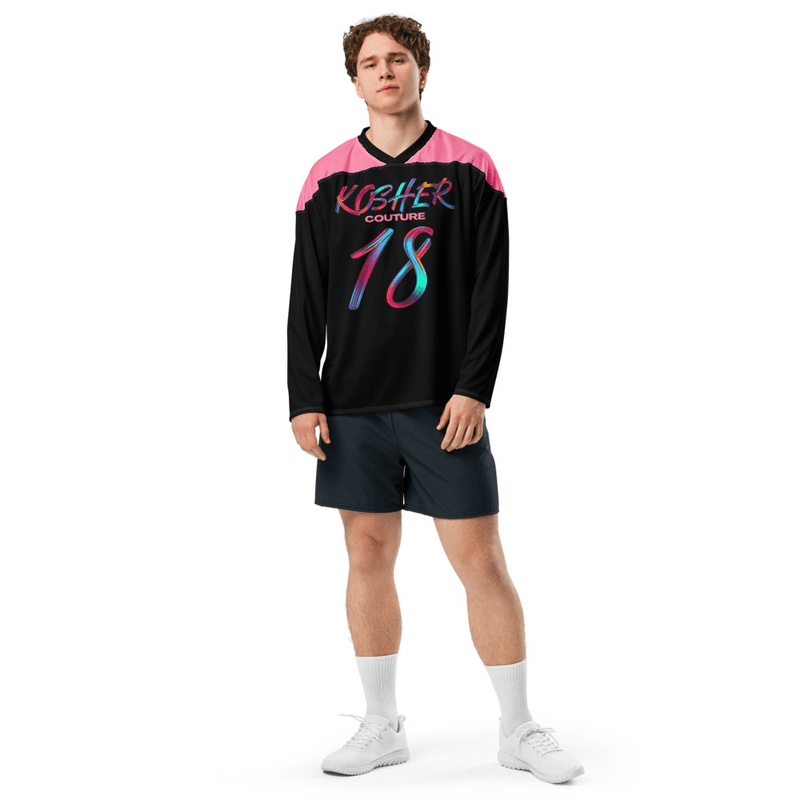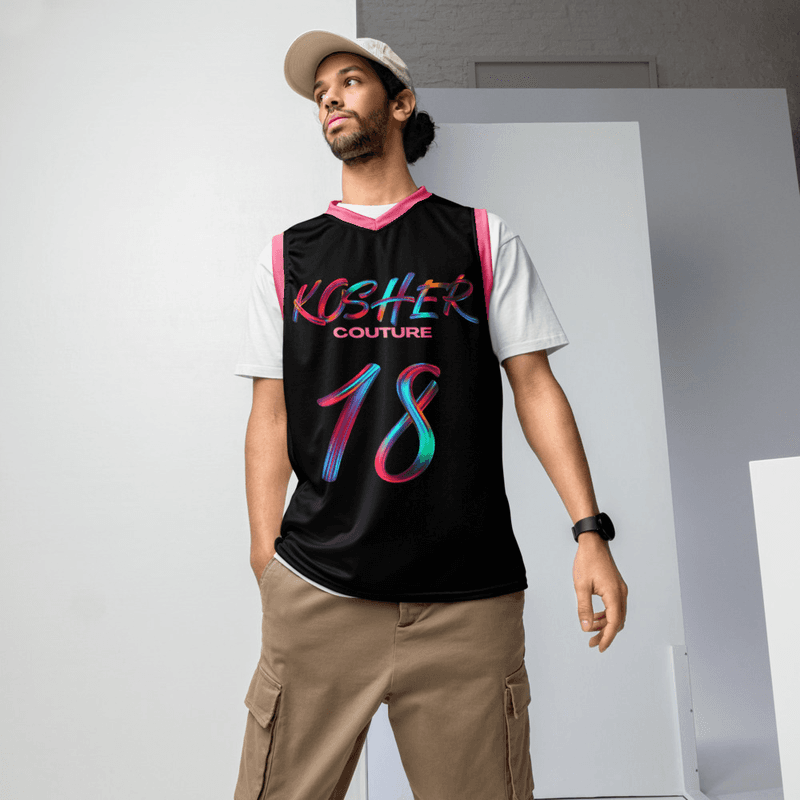
How to Wear Your Jewish Pride Every Day
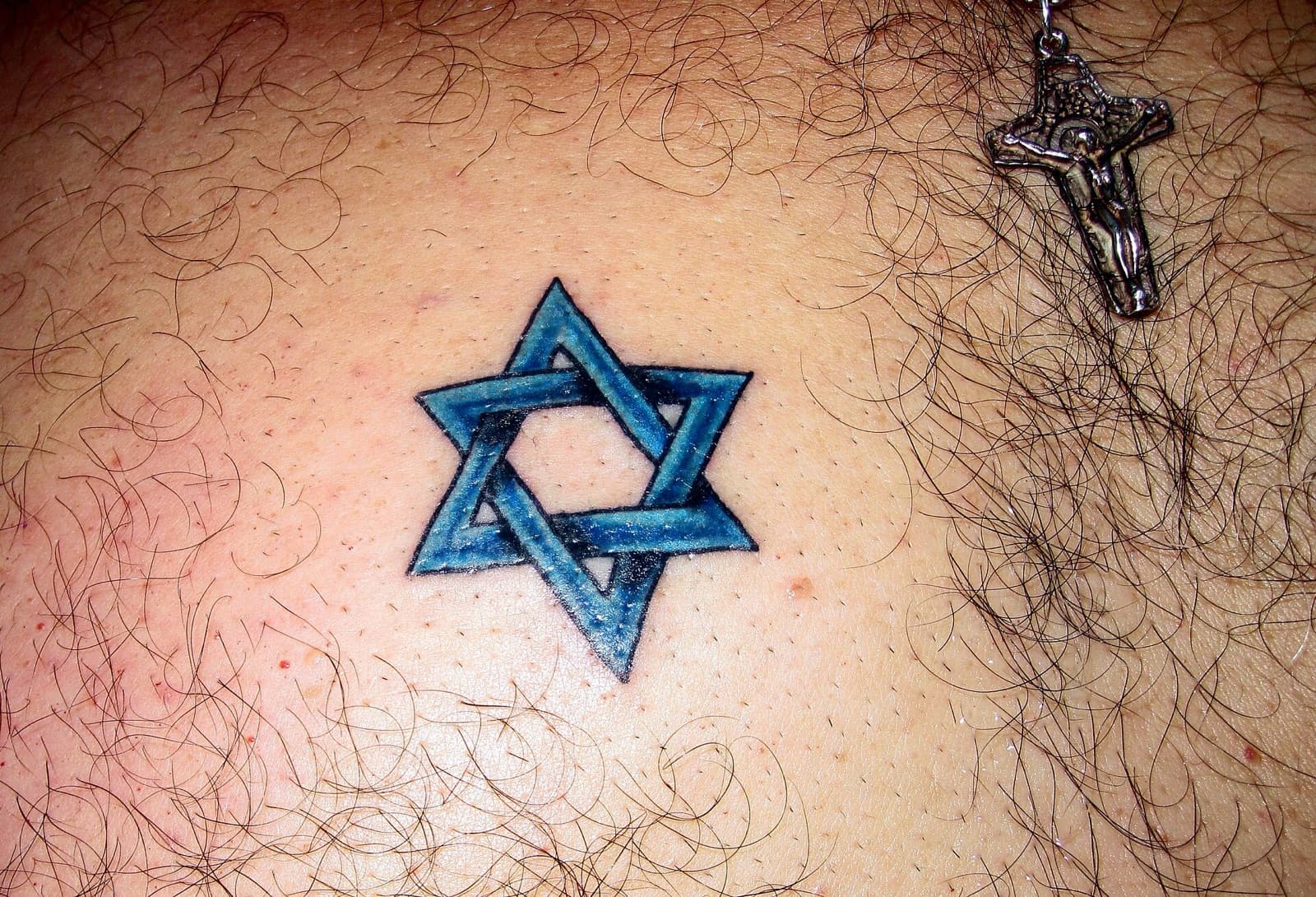
Wearing your Jewish pride every day means exactly what it sounds like: letting your identity live in your regular wardrobe, not just in a drawer reserved for holidays. A chai pendant over a plain tee, a Hebrew word across a sweatshirt, a Magen David that goes where you go. It takes less styling effort than people think, it costs less than the market has trained you to expect, and for a growing number of Jews it has become one of the most meaningful daily choices they make.
This is the post where we make the case for being seen, and then get practical about how to do it: what to wear, how to style it, what to say when someone at the coffee shop asks about your necklace, and why we refuse to let pride wear cost like a luxury good.
Why More Jews Are Choosing to Be Visible
Every Jewish generation has negotiated the same quiet question: how visible do I want to be? For a long time, the ambient answer in much of the diaspora was "tastefully, occasionally." The chai stayed under the collar at work. The Jewish shirt was for camp reunions and Chanukah parties. Identity was real but indoor.
Something has shifted, and we want to talk about part of it honestly. After October 7th, many Jews around the world faced a choice they had not expected to face: become less visible, or become more. Tuck the necklace in, or leave it out. For a great many people, the answer that rose up was more. Not out of defiance alone, but out of clarity, a sudden, sharpened sense of what their identity meant to them and an unwillingness to carry it apologetically. This company exists because our founder was one of those people, wanting to show Jewish pride visibly and daily and finding that the apparel for doing so was priced out of reach. That part of our story is told plainly on our About page, and it is the one part of this post we will not decorate with wit. Some things you just say straight.
But it would flatten the picture to make visibility only a response to hard times. The deeper case for wearing your Judaism is joy. Jewish civilization is thousands of years of language, humor, food, argument, music, resilience, and text, and it is yours. People wear their universities on hoodies and their favorite bands on tour shirts. Wearing the oldest continuous thread of your own life story is at least as reasonable. Visibility is not just armor. It is celebration with a dress code.
And there is a communal effect that surprises people the first time they feel it. Wear a chai through an airport and count the nods. A stranger's small smile, an unprompted "chag sameach" in October from a passing traveler, the "nice shirt" from someone who reads the Hebrew. Visible Jews find each other. Every worn symbol is a tiny beacon that says to some other member of the tribe, often one having a lonelier day than you know: still here, still us.
Start With One Piece: The Case for the Chai
If everyday pride wear had a starter kit, the chai would be item one. Two Hebrew letters, chet and yud, spelling chai: life. In gematria, the traditional system that assigns numbers to Hebrew letters, chet is 8 and yud is 10, which is why 18 is Judaism's lucky number and why Jewish gifts arrive in multiples of it. It is the same word you raise a glass to: l'chaim, to life.
That is a lot of meaning for two letters, and it is why the chai has been beloved pendant material for generations. Your grandmother's gold chai and the one on a chain today are the same word, the same wish. (We unpack the full story on our chai meaning page, for the curious and the gift-shopping.)
As a first visible piece, the chai is ideal for three reasons. It reads clearly to other Jews and warmly to everyone else; "it means life" is one of the great conversation openers available to any accessory. It goes with genuinely everything, because two letters never clash with an outfit. And it scales from subtle to statement: a small pendant whispers, a bold graphic tee announces. Our Chai Fashion collection runs that whole range on purpose.
Styling Identity Pieces With Regular Clothes
Here is the secret the fashion industry over-complicates: identity pieces style like any other statement piece. One rule covers ninety percent of it. Let the meaningful piece be the loudest thing in the outfit.
The Hebrew tee, worn casual. A shirt from our Hebrew Script collection wants the same treatment as any great graphic tee: straight-leg jeans, sneakers, done. The script is the design element, so keep everything else quiet and let the letters carry the look. Hebrew is, objectively, a gorgeous alphabet. Three thousand years of penmanship will beat a swoosh every time.
The layered look. A Jewish tee under an open flannel, denim jacket, or blazer gives you a dimmer switch: fully visible when open, more private when closed. If you are easing into everyday visibility, layers let you choose your moments while you build the habit.
The necklace protocol. Chai or Magen David over solid colors and simple necklines shines brightest. Crew neck tee, sweater, little black dress: all perfect backdrops. Gold chai on black is, frankly, one of the best-dressed sentences a person can wear.
Office-friendly pride. Not every workplace suits a shouty graphic, and that is fine. A pendant, a subtle embroidered piece, or a Hebrew word small on the chest reads polished everywhere. Visibility is not a volume contest. A quiet piece worn daily says more than a loud one worn never.
Shabbat-to-street. The best pieces move between contexts: the sweatshirt that does havdalah and then Sunday errands, the tee that goes from the kiddush table to the gym. Heritage worn daily means daily. If it only comes out for holidays, it's a costume. If it comes out on a random Tuesday, it's you.
One more from the accessories file. Totes and hats are the lowest-stakes entry point of all. A tote with a Yiddish word on it does its cultural work at the farmers market while carrying your peaches. Multitasking, the most Jewish of virtues.
The "Where'd You Get That?" Moment
Wear your identity in public and you will get questions. This is a feature. Some of the warmest small exchanges of your week will start with someone pointing at your chest.
A few scripts, field-tested:
From a fellow Jew: Usually you will not need words at all; the nod precedes the question. When it comes, "Kosher Couture, they're a Jewish brand, ten percent goes to tzedakah" tends to end with a phone coming out. We are not complaining.
From the culturally curious: "It's Hebrew, it says chai, it means life. It's why Jews toast l'chaim, to life." That is the whole answer. Resist the urge to deliver a seminar; leave them charmed, not enrolled. If they want more, they will ask more, and those conversations are the good ones.
From a kid staring at the letters: Kids ask the best version of the question, which is "what does your shirt say?" Answer it straight. Somewhere in that exchange, a young Jewish kid may also be watching an adult wear their identity comfortably in public, and that image lodges somewhere important.
When you would rather not: You owe nobody an explanation, ever. "Thanks, I love it too" is a complete sentence. Visibility is your choice each morning, not a contract with every stranger.
The pattern across all of these: you are not defending anything. You are sharing something. The difference in posture is the entire game, and clothing, oddly, helps. It is easier to stand tall in a shirt that already is.
Pride Shouldn't Cost Like a Luxury Good
Now the part of the case we are personally stubborn about: price.
When our founder went looking for Jewish pride apparel, the discovery was maddening. So much of it was priced like a splurge, as if visible Jewish identity were a premium subscription tier. Think about the incentive that creates. The message a $90 pride tee sends is: be visible, if you can afford it. Identity as an occasional luxury rather than a daily default.
We built Kosher Couture in the opposite direction, and print-on-demand is what makes it possible. No warehouses of speculative inventory, no unsold stock baked into the price of the shirts that do sell. You order, we print, and the price stays in everyday territory, because a shirt you wear twice a week has to be priced like a shirt you wear twice a week.
This is not a discount-bin philosophy; the blanks are soft, the prints are made to survive years of cold-wash Tuesdays. It is a conviction about what pride wear is for. A piece of Jewish identity should be the easiest thing in your closet to reach for, financially and otherwise. Chutzpah is in our DNA, and chutzpah, whatever else it is, has never been a luxury good.
Building the Daily Habit
A last practical note, because "every day" is the hard part of the assignment. Some ways to make visibility a habit rather than an event:
Anchor it to something you already do. The necklace lives next to your watch; putting on one reminds you of the other. Habits stick to habits.
Start with two pieces, not ten. One quiet (a pendant, a subtle cap) and one loud (the graphic tee). Between them you are covered from Monday meetings to Sunday brunch, and you will learn which registers feel most like you.
Give it, in multiples of 18. Pride wear is a spectacular gift precisely because many people hesitate to buy it for themselves first. A chai piece for a bat mitzvah, a Hebrew tee in a college care package: you are not just giving fabric, you are giving permission.
Notice the nods. Seriously, keep count for a month. The running tally of small recognitions is the best argument for daily visibility ever assembled, and nobody who starts counting stops wearing.
FAQ: Wearing Jewish Pride, Asked and Answered
Is it OK to wear a chai or Magen David every day?
Yes. Chai pendants and Magen David jewelry are cultural symbols of identity, not ritual objects with restrictions on daily wear, and generations of Jews have worn them constantly. Choose pieces sturdy enough for daily life and wear them as often as you like.
What does chai mean on a necklace?
Chai is the Hebrew word for "life," spelled with the letters chet and yud. In Hebrew numerology those letters add up to 18, which is why 18 is considered lucky and Jewish monetary gifts are often given in multiples of it. Wearing a chai is wearing a wish for life itself.
How do I style a Hebrew t-shirt without it looking like a costume?
Treat it like any well-designed graphic tee: pair it with simple staples like jeans, neutral layers, and clean sneakers, and let the script be the focal point. The costume effect comes from piling multiple loud identity pieces together, so one statement per outfit is the rule.
What should I say when someone asks about my Jewish jewelry or shirt?
A short, warm answer works best: what the word means and why you like wearing it. "It says chai, it means life" satisfies most curiosity and often starts a genuinely nice conversation. And if you are not in the mood, "thanks, I love it" is always enough.
Why is Jewish pride apparel so expensive elsewhere?
Much of it is produced in small speculative batches or positioned as boutique goods, and unsold inventory costs get built into prices. Print-on-demand brands avoid overproduction entirely, which is how we keep pride wear at everyday prices. We think affordability is part of the point: visibility should not be a luxury.
To Life, Daily
Every morning you get dressed anyway. That is the whole opportunity: the choice to be seen costs you nothing but the reach toward a different hanger. Some mornings it will feel like joy, some mornings like quiet resolve, and most mornings like nothing at all, just your shirt, your coffee, your day. That last one is actually the goal. Pride, worn daily, stops being a statement and becomes a fact.
Whenever you're ready to make it a fact of your own closet, start where the meaning is thickest: the Chai Fashion collection is wearing l'chaim, and it would look good on you.