
The Jewish Care Package: Camp, College, and Far From Home
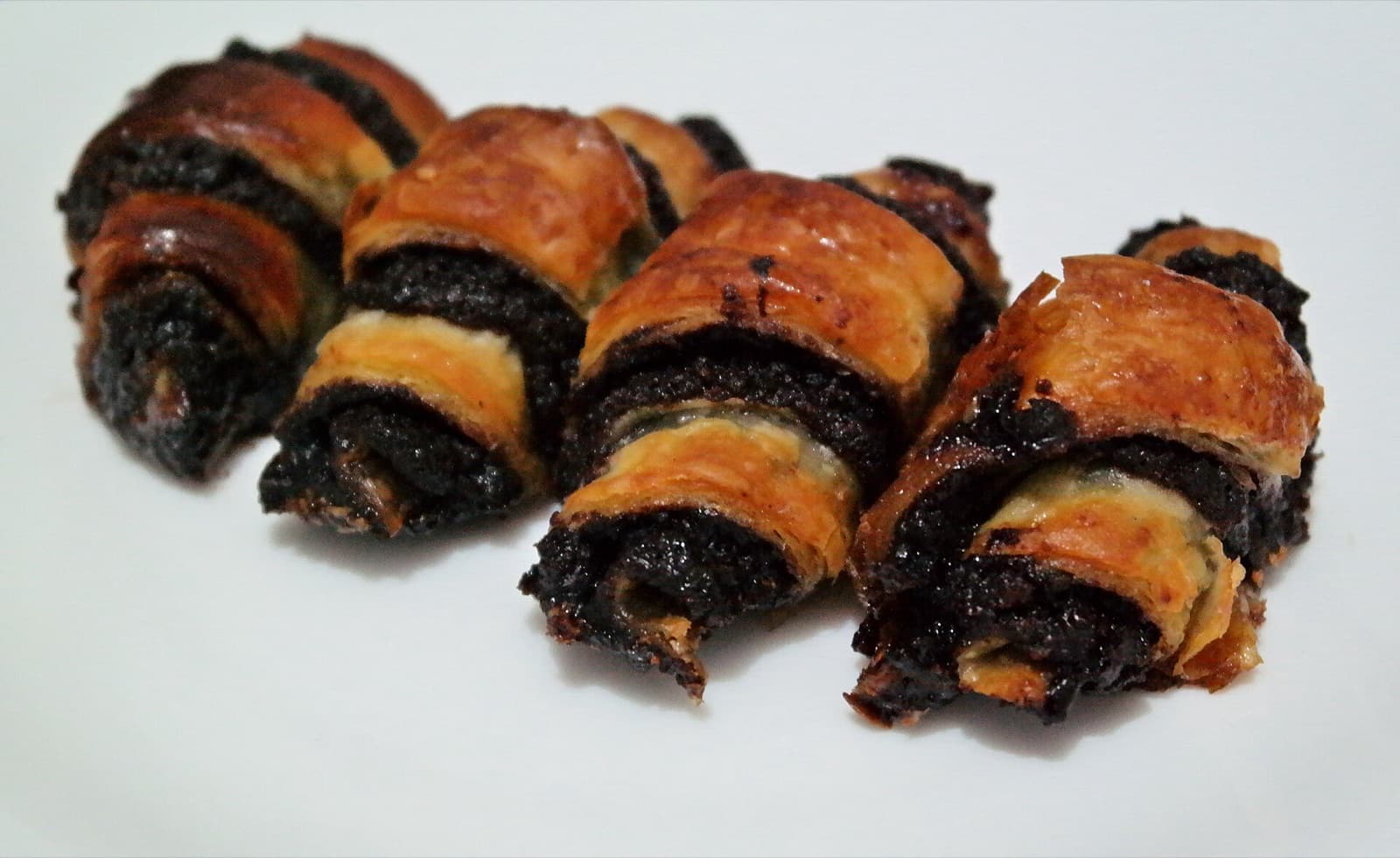
A great Jewish care package does three jobs: it feeds them (food that survives shipping — rugelach, dried fruit, good snacks), it comforts them (something that smells and feels like home), and it reminds them who they are (a little wearable pride, a note in your actual handwriting). Build around those three and time it to the Jewish calendar — honey near Rosh Hashanah, gelt for Hanukkah, mishloach manot at Purim — and you can keep someone connected to home from any distance.
The care package is arguably a Jewish art form. We are a people who have been sending food across distances with anxious love for a very long time, and the instinct doesn't care whether the distance is a summer camp two hours away or a gap year seven time zones east. What follows is the full playbook: what to send, to whom, and when, with the hard-won logistics included.
The Three-Layer Rule
Before the specific scenarios, the architecture. Every box worth sending has three layers, and the failures happen when a package is all one layer.
Layer one: the food. This is the headline and the reason the roommates gather. It has to ship well, which disqualifies more than you'd think (we'll get specific below). Quantity matters here — care package food is social currency, and a box with enough to share buys your kid a week of goodwill.
Layer two: the comfort. One item that is about home, not about Judaism or nutrition. The specific tea you drink together. A photo, printed, because a texted photo evaporates and a physical one goes on a wall. Cozy socks. The comfort layer is what they hold on the hard day; pack it like you know a hard day is coming, because one is.
Layer three: the identity. Something that says "you come from somewhere." A tee they'll wear to Shabbat dinner, a small mezuzah for the dorm doorframe, a note about what's happening at home written like a letter instead of a text. This is the layer that does the long-term work.
And in every box, in every scenario: a handwritten note. Non-negotiable. It costs nothing, ships flat, and it's the thing that gets kept.
The Summer Camp Box
Camp care packages come with a plot twist: many camps ban food entirely (critters, allergies, bunk politics), and some restrict packages altogether. Rule zero is read the camp's policy before you shop, because a confiscated box helps no one.
Where food is allowed, think shelf-stable and shareable: individually wrapped kosher snacks, gummies, pretzels. Where it isn't, the game becomes fun-per-cubic-inch: card games and mad libs (screens-free by camp law, which is the point), glow sticks, stationery with pre-addressed envelopes if you'd like to receive actual mail back — a bribe we endorse — stickers, friendship-bracelet string, a paperback.
The identity layer at camp is easy mode, because Jewish camp is where Jewish identity is currently having its best summer. A funny Jewish tee gets worn to Shabbat immediately; camp is the one place a twelve-year-old will wear heritage without a moment's self-consciousness, so this is the season to plant the flag. Our t-shirt collection skews exactly this direction — humor first, pride built in — and camp sizes run small-adult sooner than you think.
Timing tip: mail early in the session. A box in week one says "we miss you already"; the same box in the final week competes with packing lists and goodbye tears.
The College Freshman Box
The freshman box is the highest-stakes care package you'll ever send, because the first semester is when Jewish life either becomes their own or becomes something they used to do at home. Your box can't decide that for them, but it can lean on the scale.
Food: now unrestricted, so go big. Rugelach and babka ship better than most pastries. A salami from a legendary deli is a dorm-room event (the famous "send a salami" tradition dates to World War II, when Katz's Deli coined the slogan for soldiers overseas). Instant soup for the inevitable cold, snacks for the library, and always, always enough to share — the fastest way for a freshman to make friends is to be the one whose grandmother apparently loves the entire floor.
Comfort: the blanket from their bed at home, their mug, a candle that smells like your kitchen (check dorm rules; flameless exists). Freshman homesickness peaks around weeks four to six, after the novelty fades and before Thanksgiving. Aim a box at that window specifically.
Identity: this is the layer to invest in. A mezuzah with instructions and a note saying you'll help them hang it. Shabbat candlesticks that cost twelve dollars, because the point is that they own a pair. Apparel that reads as fashion first — a well-designed piece worn to a Hillel dinner or a Chabad Friday night does quiet, real work, and something from our accessories collection (a tote that carries the laptop and the pride at once) travels even lighter. Include the local Hillel's address on a sticky note. Subtle? No. Effective? Historically, yes.
The Gap Year Kid in Israel
Sending a care package to Israel inverts every rule, because the food part of the equation collapses: they're surrounded by better rugelach than you can ship, and international shipping is slow and expensive with customs fees that can turn a $40 box into a $95 misunderstanding. So the Israel package is layers two and three almost entirely.
What actually lands: American comforts that are expensive or missing there — the specific peanut butter, ranch dressing packets, their exact deodorant brand, Flamin' Hot anything. Photos and letters, which hit different at that distance. Small useful things: a portable charger, the good sunscreen, moleskin for hiking blisters (they will hike; there will be blisters).
Weight is money in international shipping, so think light and dense with meaning. A tee mailed flat costs almost nothing to send and gives them something from home to wear on a tiyul. Better yet, pool the shipping: gap-year parents often coordinate one group shipment or send packages with a visiting family — ask the program, which has seen every logistics trick and will tell you the current best one.
And know when not to ship at all: for a big moment (birthday, chagim), a voucher for a nice dinner out, or a relative in Israel showing up with a home-cooked meal, beats any box. The goal is "someone is thinking of me," and that message has more than one carrier.
The Grandkid Across the Country
The long-distance grandparent package is its own genre, and its superpower is ritual. Kids don't remember individual boxes; they remember that Bubbe's package always came before the holiday and always had the thing in it. Pick a cadence you can sustain — before each major holiday is the classic — and a signature item that never changes. The repetition is the gift.
For little kids: a Jewish picture book per holiday builds a shelf that amounts to a library of you. A recorded video of you reading it doubles the gift. Include something to send back — a self-addressed stamped envelope and crayons — because the relationship is the point and mail should flow both ways.
For teens: respect the register. Less stuff, better stuff. Money folded in multiples of 18, food they actually eat, and a piece of apparel with genuine design sense. A grandparent who sends a legitimately cool Jewish tee earns a status that no sweater has ever achieved.
One more grandparent advantage worth using: the phone call after the box lands. A package that arrives on Tuesday and gets a "did it come? what did you think of the book?" call on Wednesday becomes a conversation instead of a delivery. The box is the excuse; the call is the visit. String enough of those together across a childhood and you've built something no amount of geography can undo.
Timing the Calendar: Holiday Boxes by Mail
The Jewish calendar hands you a shipping schedule; use it.
Rosh Hashanah (in 2026: begins the evening of September 11 — three weeks after college drop-off, which is not a coincidence you should waste): honey, a honey dipper, dried apples, a round challah if you can get one there fresh, and a card wishing them a sweet year. This box lands in peak freshman homesickness season and does double duty.
Hanukkah: the night-by-night box. Eight tiny wrapped things — gelt, socks, a dreidel, candy, one real gift — numbered, with orders not to open ahead. You've mailed them the experience of the holiday, not just objects. Include a menorah and candles for the student who doesn't own one, with a reminder to check dorm flame rules (LED menorahs exist for exactly this).
Purim: the tradition is already a care package. Mishloach manot — the Purim mitzvah of sending portions of food, at least two kinds, to friends — was distance-gifting before shipping labels existed. Mail hamantaschen (they ship sturdier than they look), candy, and something silly for the costume. A mishloach manot box that arrives at a dorm introduces an entire hallway to the single most shareable holiday we've got.
Passover: the emergency kit. Macaroons, matzah, chocolate-covered anything, and enough kosher-for-Passover snacks to survive a dining hall that thinks matzah pizza is cuisine. If they can't get home for seder, include the number of the local Chabad or Hillel seder and, ideally, the news that you already signed them up.
What Ships and What Doesn't
Learned the hard way, so you don't have to. Ships beautifully: rugelach, mandel bread (it's biscotti; it's already twice-baked; it fears nothing), babka, hamantaschen, dried fruit, halva, hard candies, gelt (except in summer — see below), tea, salami (unopened, shelf-stable). Ships badly: anything frosted, fresh challah beyond two days, whole fruit, and all chocolate June through September, when a mail truck becomes an oven and gelt becomes a puddle with a menorah stamped on it. Packing: crinkle paper beats bubble wrap for food boxes, tins beat bags, and putting the note on top — first thing visible — beats everything.
FAQ
What should I put in a Jewish college care package?
Cover three layers: kosher-friendly food that ships and shares (rugelach, babka, snacks), one comfort-of-home item, and one identity item — a mezuzah, cheap Shabbat candlesticks, or a Jewish tee they'd wear anyway. Add a handwritten note and time it for weeks four to six, when homesickness peaks.
What Jewish foods ship well in a care package?
Mandel bread, rugelach, babka, hamantaschen, dried fruit, halva, hard candy, and shelf-stable salami all travel well. Skip fresh challah, anything frosted, and chocolate in summer months. Tins and crinkle paper protect better than bags and bubble wrap.
Can I send mishloach manot by mail?
Yes — mailing Purim treats to someone far away is very much in the spirit of the holiday, which is literally about sending portions of food (at least two kinds of ready-to-eat food is the custom). Hamantaschen, candy, and a small toy or costume piece make a classic mailable box. If you want to fulfill the mitzvah strictly, customs vary on timing and delivery, so ask your rabbi; as an act of love, it needs no ruling.
How do I send a care package to a gap year student in Israel?
Keep it light and personal: American snacks they can't get there, letters, photos, and small useful items, since shipping is priced by weight and customs can add fees. Many programs coordinate group shipments or accept deliveries via visiting families — ask before you pay international rates.
When should I send a Rosh Hashanah care package?
Aim for arrival the week before the holiday — in 2026, Rosh Hashanah begins the evening of September 11 — so ship in early September. Honey, dried apples, and a sweet-new-year note make the classic box, and for a college freshman it doubles as perfectly timed homesickness relief.
Distance is the problem; the box is only the medium. What you're really shipping is the knowledge that somewhere, someone lit candles and thought of them. Pack that first, and if a little wearable pride makes it into the box too, we'd consider it an honor to ride along.


