Bar and Bat Mitzvah Gifts That Land (In Multiples of 18)

Bar and bat mitzvah gifts are traditionally given in multiples of $18 because 18 is the numerical value of chai (חי), the Hebrew word for "life" — so $36, $54, $90, or $180 carries a built-in blessing. Cash and checks are completely appropriate and often preferred; a typical range runs from $36–$54 for a classmate to $100–$360 or more for close family. The best physical gifts respect that the recipient is thirteen: real money, real experiences, and Jewish objects they'll actually want at fifteen, not just tolerate at the party.
That's the short version. The long version is more interesting, because a bar or bat mitzvah gift is one of the few presents in modern life that comes with its own number system, its own etiquette debates, and its own minefield of well-meaning kitsch. Let's walk through all of it.
Why 18? The Meaning of Chai
Hebrew letters double as numbers. Aleph is one, bet is two, and the system continues through the alphabet, which means every Hebrew word has a numerical value. This is gematria, and the most famous result in the entire tradition belongs to a two-letter word: chai, spelled chet (8) and yud (10). Eight plus ten is eighteen, chai means "life," and so eighteen became Jewish shorthand for life itself.
Giving money in multiples of 18 turns arithmetic into blessing. A $54 check isn't fifty-four dollars; it's three times chai — three lifetimes' worth of good wishes folded into a number. It's the same impulse behind the toast "l'chaim" ("to life") and behind the chai pendants that have hung on Jewish necks for generations. If you want the deeper story, we wrote a full explainer on the meaning of chai; it's one of our favorite pieces of the tradition, and not only because we named a whole collection after it.
The practical takeaway: when you're deciding an amount, land on a multiple of 18. The recipient's family will notice, the recipient will eventually learn why, and you'll have given a number that means something instead of a number that's merely round.
Is Cash Okay? (Yes. Here's the Etiquette.)
Cash is not the lazy option at a bar or bat mitzvah. It's the traditional one. A thirteen-year-old is marking their entry into adult responsibility within the community, and the community has long answered with a gift that comes with responsibility attached: money to save, to spend thoughtfully, and — in many families — to give partly to tzedakah. Plenty of b'nai mitzvah kids donate a portion of their gift money to a cause they chose as part of their mitzvah project. Your check may literally become someone's charity. That's not impersonal; that's the system working.
A few etiquette notes from the field:
Checks beat cash in an envelope. Not for propriety — for logistics. A kid receiving eighty envelopes in one afternoon needs a paper trail, and their parents will be reconciling the pile at midnight. Make the check out to the child unless the invitation or family indicates otherwise.
Bring it to the party, or send it after. Either is fine. If you're mailing, aim for within a couple of weeks of the event. If you can't attend, sending a gift is a warm gesture, though not an obligation.
Card matters more than you think. The check gets deposited; the card gets kept. Write an actual sentence about the kid — something you noticed at the service, a memory, a genuine wish. Thirteen-year-olds reread these years later. Ask any thirty-year-old who still has the shoebox.
Israel bonds and savings contributions are a venerable option, especially from relatives thinking in decades. A contribution to a college fund in a chai multiple threads tradition and practicality through the same needle.
How Much to Give: A Tiered Guide
Every community and city has its own gravity here, so treat these as orientation rather than law. The variables that matter: how close you are to the family, whether your whole household attends, and the general register of your community.
A classmate or casual friend of the kid: $36–$54. This is the standard kid-attending-a-classmate's-party range. If your child attends solo, the lower end is fine; nobody is auditing.
A family friend attending with your household: $54–$180, scaling with closeness and how many of you are eating the brisket. A family of four at a full reception generally lands north of $100 total.
Aunts, uncles, close family friends: $100–$180 and up, often $180 exactly — ten times chai, a number with real ceremony to it.
Grandparents and immediate family: frequently $180–$360 or well beyond, sometimes as a savings bond, Israel bond, or trust contribution rather than a check. At this tier the gift is often paired with something physical and permanent, which we'll get to.
If you can't attend: roughly half to two-thirds of what you'd give in person is a common instinct, though no one is measuring. $36 with a heartfelt card from a distance is entirely honorable.
Group gifts are legitimate and increasingly common. Five classmates pooling $18 each into a $90 gift, or a friend group funding one genuinely good present instead of five forgettable ones, is smart, not cheap. It also solves the bar-mitzvah-season problem: in a big grade, a kid can be invited to fifteen of these in a school year, and family budgets are allowed to acknowledge that. If your child is in the thick of the circuit, set a standard per-party amount at the start of the season and hold it. Consistency spares you the monthly renegotiation and spares your kid the awkward math of whose party "rated" more.
If a number feels between tiers, round to the nearest multiple of 18 and stop second-guessing. The difference between $126 and $144 will be remembered by no one; the fact that you came and danced will be remembered by everyone.
What Thirteen-Year-Olds Actually Want
Ask a recent bar or bat mitzvah kid what they remember receiving and you'll get three categories: the money (as a total, not itemized), one or two standout physical gifts, and the stuff that went directly into a closet. Your goal is category two. Some reliable residents:
Experiences with a date attached. Concert tickets, a game, a trip to the climbing gym with you specifically. A thirteen-year-old's most scarce resource is feeling like an adult; an outing where they're treated like one is gold.
Quality over quantity in objects. One good pair of headphones beats five middling gadgets. One well-made piece of jewelry — a chai or Magen David pendant they picked or would have picked — beats a drawer of trinkets. The keyword is "would have picked": when in doubt, involve them or their parent.
Things that signal their new status. A real leather wallet for the new money. Their first proper watch. A quality tallit bag if they've begun wearing one. These gifts say "you're not a little kid anymore," which is the entire thesis of the day.
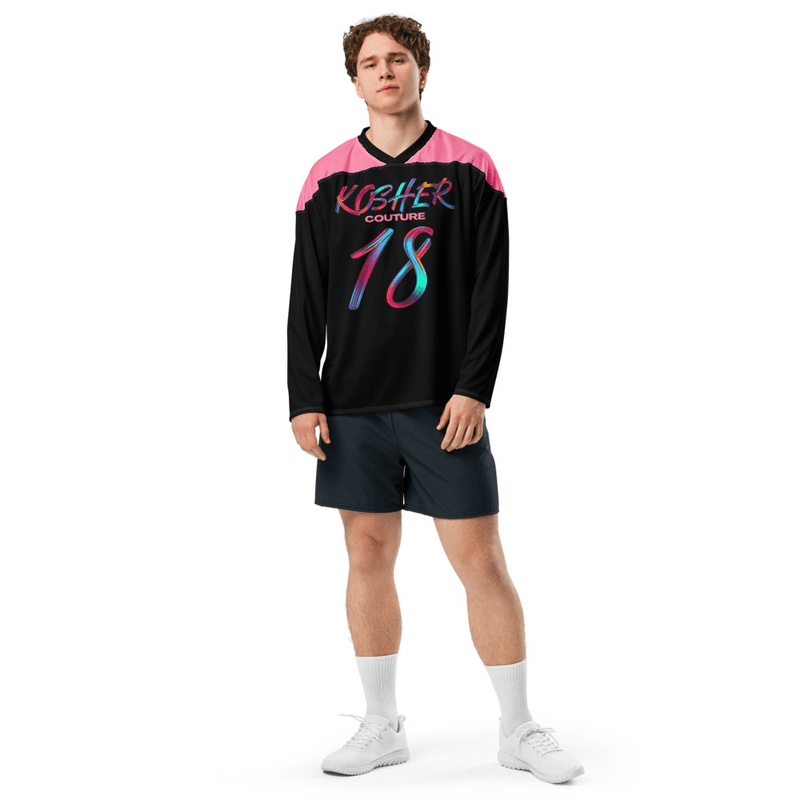
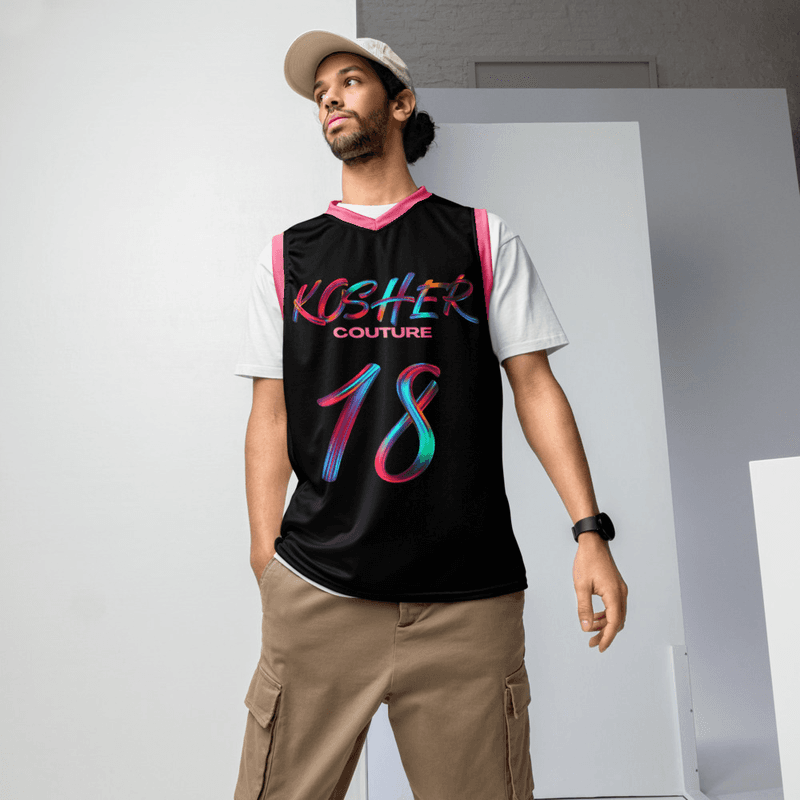
Wearable identity, chosen carefully. Here's where taste matters most. A thirteen-year-old will absolutely wear Jewish pride — on their terms. That means design-forward, funny, or genuinely cool; it does not mean anything that looks like it was designed by a committee of grandparents. A witty tee from a collection built on actual humor lands in a way that a bedazzled "Mazel Tov" sweatshirt never will. The test: would they wear it to school on a random Tuesday? If yes, you've won.
Books, but the right books. Skip the inspirational anthology. A beautifully bound copy of something they'll grow into, a graphic novel with Jewish themes (there are excellent ones now), or a book connected to their Torah portion chosen with actual thought about what they read for fun.
Gifts With Jewish Meaning That Aren't Kitsch
This is the hardest category and the most rewarding. The line between "meaningful Judaica" and "dust magnet" runs straight through one question: will this object be part of their life, or part of their storage?
A Kiddush cup they'll use — which means one whose style they'd choose at twenty-five, not one shaped like a soccer ball. Simple, well-made, engravable with their Hebrew name and date. This is the classic that earns its classic status.
Their Hebrew name, made beautiful. Custom pieces built around a kid's Hebrew name — art for the wall, fine jewelry, calligraphy — personalize without pandering. One rule we hold ourselves to and recommend to every gift-giver: verify the Hebrew. Spelling, letters, direction. An heirloom with a typo is a very long-lasting typo.
A tallit chosen with them. If the family's practice includes one, this is among the most significant gifts possible, and it should never be a surprise — the choosing is the gift. Grandparents traditionally own this one, but ask before assuming someone else has it covered.
Tzedakah, structured. A donation in their honor to a cause matching their mitzvah project, or a "giving fund" they control and allocate. Giving is a muscle, and thirteen is the age it starts training seriously. (It's a value we take literally — 10% of our profits go to tzedakah — so we may be the wrong people to talk anyone out of this gift.)
And a note on what to skip: anything with sacred text printed on objects that will be treated casually, anything whose Jewishness is a punchline at the tradition's expense rather than from inside it, and anything you're buying because it was in the synagogue gift shop and you panicked. Meaning can't be grabbed at the register.
For the Guests: What to Wear and How to Behave
Quick service announcement, since gift-buyers are usually also attending: a bar or bat mitzvah has a morning-service register and a party register, and they are not the same dress code. We wrote a complete guide to what to wear to a bar mitzvah covering both, plus kippah etiquette for non-Jewish guests. The one-sentence version: dress like it's an important religious service in the morning — because it is — and save the fun for the party.
Gift-adjacent behavior notes: don't hand the kid an envelope during the service (there's a table at the reception, or mail it), do sign the sign-in board if there is one, and if the family invited you, they want you there — the gift is genuinely secondary to your presence, no matter how much this article has now made you think about multiples of 18.
FAQ
How much money do you give for a bar or bat mitzvah?
Common ranges: $36–$54 from a classmate, $54–$180 from family friends, $180 or more from close relatives. Amounts are traditionally given in multiples of $18, the numerical value of chai ("life"). Adjust for your community's norms and how many of your household attend.
Why are bar mitzvah gifts given in multiples of 18?
In Hebrew, letters have numerical values, and the word chai — "life" — adds up to 18 (chet is 8, yud is 10). Giving $36, $54, or $180 symbolically multiplies the blessing of life. It's the same tradition behind the toast "l'chaim," to life.
Is it okay to give cash instead of a gift?
Yes — cash or a check is the traditional and usually preferred gift, often earmarked by families for savings and partly for charity. Write the check to the child, bring it to the reception or mail it within a couple of weeks, and include a card with a personal note.
What is a good non-money bar or bat mitzvah gift?
Jewelry with meaning (a chai or Magen David pendant), a quality Kiddush cup engraved with their Hebrew name, an experience like concert tickets, or well-chosen Jewish apparel they'd genuinely wear to school. The test for any object: will they still want it at fifteen?
Do I send a gift if I can't attend the bar mitzvah?
It's a warm gesture and common among close friends and family, though not strictly required. Something in the $36–$54 range with a heartfelt card, mailed around the date of the simcha, is entirely appropriate.
However you land on the number, land on the kid: one real sentence in the card outlasts every zero on the check. And if the gift search leads you toward something they'd wear with actual pride, our Chai Fashion collection was built for exactly this simcha.