What Is Yom Kippur? The Meaning Behind Judaism's Holiest Day
Yom Kippur, the Day of Atonement, is the holiest day on the Jewish calendar — a 25-hour period of fasting, prayer, and reflection that closes the Ten Days of Repentance begun on Rosh Hashanah. Leviticus 23:27 sets it on the tenth of Tishrei and calls for the entire community to "practice self-denial," traditionally understood as complete abstention from food and drink. It's a day less about punishment than about a clean slate.
What Does Yom Kippur Actually Mean?
Yom Kippur (יוֹם כִּפּוּר) translates to "Day of Atonement," from the Hebrew root kaphar, meaning "to cover" or "to wipe away." The Torah establishes it in Leviticus 16 and again in Leviticus 23:27-32, where it's described as a Shabbat Shabbaton — a "sabbath of sabbaths," the most complete rest of the entire calendar, observed "from evening to evening." In ancient times, the day centered on an elaborate Temple service in Jerusalem performed by the High Priest, including the ritual of two goats — one offered, one sent into the wilderness bearing the community's sins, the origin of the English word "scapegoat." After the Temple's destruction in 70 CE, the day's focus shifted almost entirely to prayer, fasting, and personal and communal confession, a shift so complete that most Jews today associate Yom Kippur with the synagogue rather than any priestly ritual at all.
What Happens on Yom Kippur?
The day opens the evening before with Kol Nidre ("all vows"), a haunting Aramaic legal formula, chanted rather than merely recited, that annuls unfulfilled vows made to God in the coming year. It isn't a prayer in the conventional sense — it's closer to a piece of religious law set to music — but its melody has become so emotionally central that the entire evening service is often just called "Kol Nidre" by people who've never read a word of the text itself. Its origins are debated by scholars, with some tracing its prominence to medieval Spain, where Jews living under forced-conversion pressure may have used it to spiritually release vows made under duress.
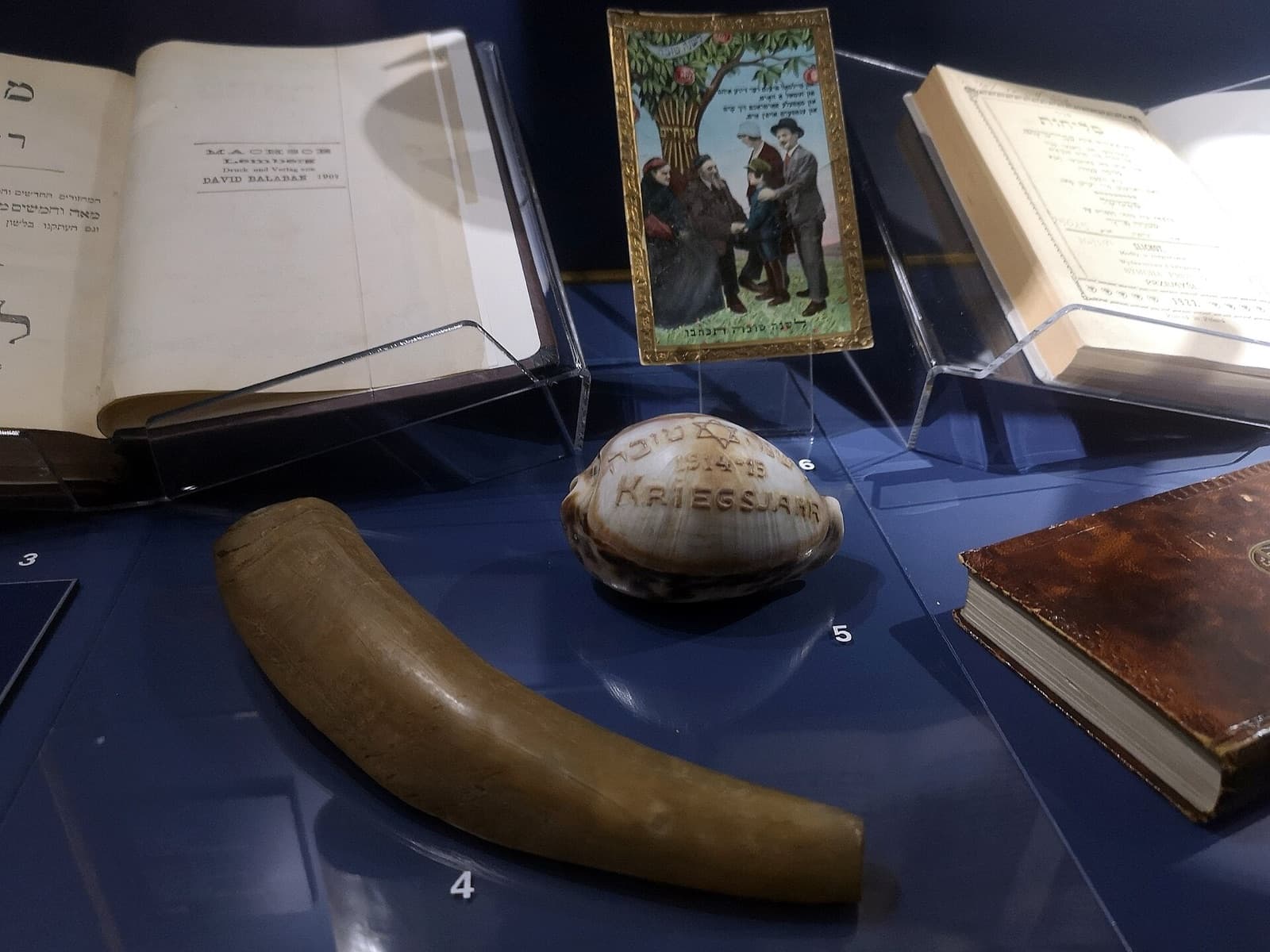
Over the following 25 hours, observant Jews attend a nearly continuous cycle of services: Maariv the first night, then Shacharit, Musaf, Mincha, and finally Ne'ilah ("closing of the gates") as the sun sets and the fast ends — traditionally understood as the last, most urgent chance to plead one's case before the metaphorical gates of judgment swing shut for the year. The Ne'ilah service builds to the blast of a single shofar and the declaration "L'shanah haba'ah biYerushalayim" ("next year in Jerusalem"), followed immediately by breaking the fast, often with something sweet — the Rosh Hashanah instinct for a "sweet" resolution carrying straight through to the very last minute of the season.
Many congregations also recite Yizkor, a memorial prayer for deceased parents and other close relatives, during the Yom Kippur morning service — one of only four occasions in the Jewish calendar year when Yizkor is said, the others falling during Sukkot, Passover, and Shavuot. It's traditionally a moment when the sanctuary noticeably quiets, and in some communities those whose parents are both still living step out of the room, a small, considerate custom meant to keep the moment from feeling heavier than it needs to for anyone not yet carrying that particular grief.
Central to every service is the Vidui, a communal confession recited multiple times throughout the day, listing sins in alphabetical acrostic form ("Ashamnu, bagadnu, gazalnu..." — "we have sinned, we have betrayed, we have stolen...") and always phrased in the plural "we," not the singular "I." That grammatical choice is deliberate: confession on Yom Kippur is a communal act, said standing together, because Jewish tradition holds the whole community responsible for one another, not just for our individual actions.
What Are the Five Afflictions of Yom Kippur?
Jewish law (codified in the Mishnah, Yoma 8:1) identifies five traditional forms of self-denial observed on Yom Kippur, all rooted in that instruction to "afflict your souls":
| Affliction | What It Means |
|---|---|
| No eating or drinking | The best-known restriction — a full 25-hour fast, including water |
| No washing or bathing | Beyond what's needed for basic hygiene or health |
| No anointing with oils or lotions | Traditionally understood to include skincare and perfume |
| No wearing leather shoes | Historically a marker of comfort and status; canvas or rubber-soled shoes are customary instead |
| No marital relations | Set aside for the day, as on the Sabbath |
The fast itself is the practice most people, Jewish or not, know Yom Kippur for — but Jewish law is explicit that anyone for whom fasting poses a genuine health risk, including pregnant people, the elderly, and anyone managing a serious medical condition, is not just permitted but obligated to eat, because preserving life (pikuach nefesh) overrides nearly every other commandment in Judaism, this one included. A rabbi is generally the right person to consult on the specifics.
Why Do People Wear White on Yom Kippur?
As on Rosh Hashanah, it's customary in many communities for people — and especially the prayer leader — to wear white on Yom Kippur, tied to imagery from Isaiah 1:18 about sin becoming "white as snow." Some Ashkenazi men wear a simple white robe called a kittel, the same garment worn under the chuppah at a Jewish wedding and, eventually, for burial — a quiet, deliberate echo linking the day to both the most joyful and most solemn moments of a Jewish life. Gold jewelry and leather shoes are also traditionally avoided, in keeping with the day's stripped-down, unadorned mood; the goal isn't to look festive, but to show up as simply and honestly as possible.
What Do You Eat Before and After the Fast?
The meal eaten just before the fast begins, called the Seudah Mafseket ("the meal that separates"), is traditionally simple, bland, and low in salt — the idea being to avoid anything that would leave you thirstier during the 25 hours ahead. Breaking the fast at the end of Ne'ilah is a different story entirely, and the menu varies enormously by community. Many Ashkenazi families break the fast with something quick and easy on an empty stomach — juice, a bagel with lox and cream cheese, kugel — before moving to a fuller meal. Sephardic and Mizrahi households often start with dates, a sweet drink, or a light broth, easing the body back into eating gradually rather than all at once. Whatever's on the table, the break-fast meal tends to be one of the most genuinely joyful of the entire Jewish year: the tension of the fast lifts all at once, and it usually lifts around a crowded table.
Yom Kippur and the Jubilee Year
One detail that surprises even some lifelong synagogue-goers: Yom Kippur isn't only about the individual fast day. Leviticus 25:9 instructs that in the Jubilee year — a sabbatical cycle occurring every fifty years in ancient Israelite law, when land was returned to its original family and Israelite slaves were freed — the shofar was to be sounded specifically "on the Day of Atonement," throughout the entire land, to formally proclaim that liberty. It's a reminder that Yom Kippur's themes were never only personal. Alongside private atonement, the day carried an older, structural idea of collective release — of debts forgiven and freedom restored — built directly into its calendar placement.
A Note on October and Remembrance
Yom Kippur also carries more recent historical weight for many Jews and for the State of Israel. In 1973, a coordinated surprise attack by Egypt and Syria began on the afternoon of Yom Kippur itself, launching what's known as the Yom Kippur War — a conflict that reshaped Israeli society's sense of security and is still marked with solemn remembrance each year the holiday comes around. It's one of several moments in modern Jewish history where a sacred date and a painful one have landed on the same day, and it's part of why Yom Kippur, for many, carries not just personal reflection but a quiet awareness of how much has been asked of the Jewish people, and of Israel, to simply endure.
How Is Yom Kippur Different From Rosh Hashanah?
Rosh Hashanah opens the year with sweetness and hope — apples, honey, a table full of symbolic foods. Yom Kippur closes the Ten Days of Repentance with austerity and urgency. Where Rosh Hashanah's liturgy describes the year's fate as "written," Yom Kippur's describes it as "sealed" — the last possible moment for the reflection, repair, and honest confession that Rosh Hashanah first called people to begin. It's worth noting that Yom Kippur atones specifically for sins between a person and God; Jewish tradition is emphatic (Mishnah Yoma 8:9) that it does not atone for wrongs done to another person until that person has actually been approached and asked for forgiveness directly. The day can't do the relationship repair for you — it can only meet you partway once you've started.
What Do You Say to Someone Before or After Yom Kippur?
Before the fast, it's customary to wish someone "G'mar Chatimah Tovah" ("may you be sealed for good," continuing the Rosh Hashanah "inscription" imagery) or simply "an easy fast." After the fast ends, "Tzom Kal" — "an easy fast" as a closing wish — remains common, along with a simple "chag sameach" as the holiday transitions almost immediately into preparations for Sukkot, just four days later.
Do Children Have to Fast on Yom Kippur?
No — Jewish law does not obligate children to fast, and actively discourages full fasting well before the age of religious majority (13 for boys, generally 12 or 13 for girls, depending on community). Many families instead have children practice partial fasting as they approach that age, skipping a meal or delaying breakfast, as a gentle introduction to the discipline rather than the real thing. It's common to see kids at synagogue on Yom Kippur morning anyway, dressed in their own version of the day's simple, white-leaning wardrobe, absorbing the atmosphere of the day well before they're expected to fully participate in its physical demands.
Frequently Asked Questions
Do you have to fast on Yom Kippur? Fasting from food and drink, including water, for roughly 25 hours is the central and most widely observed practice of the day. Jewish law explicitly exempts and often requires eating for anyone whose health would be endangered by fasting, including children, pregnant people, and those with relevant medical conditions.
What is Kol Nidre? Kol Nidre is an Aramaic legal declaration, chanted to a distinctive melody at the start of Yom Kippur evening services, that annuls personal vows made to God that go unfulfilled in the coming year. It has become so emotionally central that many people refer to the entire evening service by its name.
Why is it called the Day of Atonement? "Yom Kippur" comes from the Hebrew root kaphar, "to cover" or "wipe away." Leviticus 23:27 establishes the tenth of Tishrei as a day set aside specifically for atonement, observed through fasting, prayer, and confession.
Can Yom Kippur atone for anything you've done? Jewish tradition holds that Yom Kippur atones for sins between a person and God, but not for wrongs against other people until the wronged person has been directly approached and asked for forgiveness. Repair between people has to happen first.
What is Ne'ilah? Ne'ilah, meaning "closing," is the final service of Yom Kippur, recited as the sun sets. It's traditionally understood as the last opportunity to plead one's case before the holiday's judgment imagery closes for the year, and it ends with a single shofar blast and the breaking of the fast.
However you mark the day, dressing simply and intentionally is part of the tradition — see our guide to dressing for the High Holidays for ideas, or browse Kosher Couture for pieces that carry Jewish pride through the whole season and beyond.


