
Purim Traditions Explained
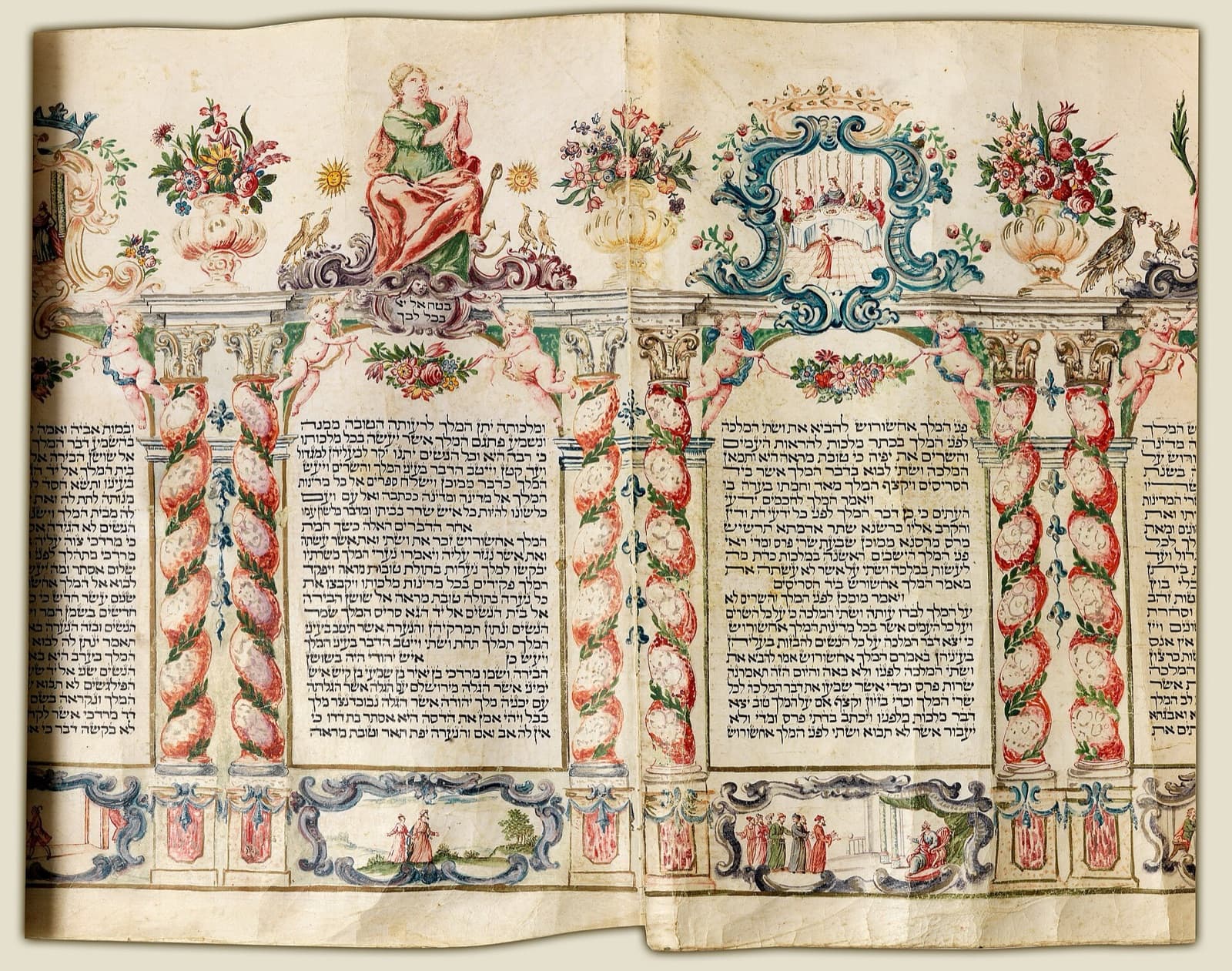
Purim is a Jewish holiday celebrating the deliverance of the Jewish people from Haman's plot to destroy them, as recounted in the Book of Esther. Observed on the 14th day of Adar (in leap years, the second Adar), the holiday blends serious history with playful custom: reading the ancient scroll, exchanging gifts of food, giving to the poor, and wearing costumes. It's one of the most joyful and theatrical holidays on the Jewish calendar.
The Story at the Heart of Purim
To understand Purim, you need the Book of Esther (Megillat Esther in Hebrew). The narrative is set in fifth-century Persia under King Achashverosh, and it follows a woman of remarkable courage.
Esther was a Jewish orphan raised by her cousin Mordechai. When the king's advisors searched the realm for a new queen, Esther found herself in the royal court. On Mordechai's counsel, she kept her Jewish identity private. She eventually became queen, and then the real story begins.
Haman, the king's powerful advisor, issued a decree: all of Persia's Jews would be destroyed on a single day. His hatred of Mordechai, who had refused to bow to him, sparked this genocidal plot. Mordechai learned of the conspiracy and urged Esther to act. She faced an impossible choice: reveal her identity and risk the king's wrath, or stay silent and watch her people perish.
Esther chose courage. She fasted, prayed, and then invited the king and Haman to a private banquet. There, she exposed Haman's treachery and pleaded for her people's lives. The king was horrified by Haman's deception and granted the Jews of Persia the right to defend themselves. Haman was executed. The Jewish people survived.
Modern scholarship views the Book of Esther as a historical novel with legendary elements rather than a literal historical record. But that doesn't diminish its power as a story about resilience, hidden identity, and the courage it takes to show up for your community.
The Four Core Traditions
Purim observance rests on four pillars, each rooted in the Talmudic interpretation of the Book of Esther. Together, they transform the holiday into a communal experience.
Reading the Megillah
The centerpiece of Purim is the public reading of the Book of Esther. In synagogues and Jewish communities worldwide, the scroll (megillah) is chanted aloud, usually on the evening and morning of the 14th of Adar.
What makes this reading unique is the noise. Whenever Haman's name is mentioned, the congregation erupts, groggers (noisemakers) whirl, feet stomp, and people boo. The goal is to drown out Haman's name, as though to erase him from memory. It's participation as protest, celebration as resistance.
The reading is a joyful affair. Some communities add dramatic flair: people dress as characters from the story, stand up for Esther's moments of courage, or cheer for Mordechai. The Megillah reading turns ancient narrative into living community theater.
Mishloach Manot (Gifts of Food)
"Mishloach manot" means "sending portions," and Purim obligates Jews to give gifts of food to at least one friend. In practice, most people give multiple baskets.
A traditional mishloach manot basket includes ready-to-eat foods: hamantaschen, nuts, dried fruit, cookies, candy, and sometimes wine or treats. The gifts serve two purposes: they strengthen bonds within the community and ensure that everyone, even those without means, will have food to share in the Purim feast.
The practice creates a lively tradition of gift-giving throughout Adar. Baskets arrive at work, home, and synagogue. Families coordinate their contributions. It's commerce and care intertwined.
Matanot L'Evyonim (Gifts to the Poor)
While mishloach manot focuses on friends, matanot l'evyonim centers on care for the vulnerable. Jews give at least two monetary gifts to at least two poor people on Purim. The gifts must be enough for a simple meal.
This tradition anchors Purim in social responsibility. The holiday isn't just about remembering survival; it's about ensuring that everyone in the community can celebrate. The practice predates modern social safety nets by centuries, yet it remains relevant: on Purim, no one is left out.
The Festive Meal (Seudah)
The fourth obligation is a festive meal, held on the afternoon of Purim. It's a time for feasting, drinking (within bounds), and merry-making. Some families extend the meal into the evening; some invite friends and family to join.
The meal is where Purim's joy becomes visible and tangible. Tables are laden with hamantaschen, kreplach, wine, and dishes passed down through generations. Conversation is animated; sometimes people sing. It's a celebration of survival grounded in the simple pleasure of breaking bread together.
The Foods of Purim
Purim cuisine is layered with meaning and history. The most iconic foods are rooted in wordplay and symbolism.
Hamantaschen
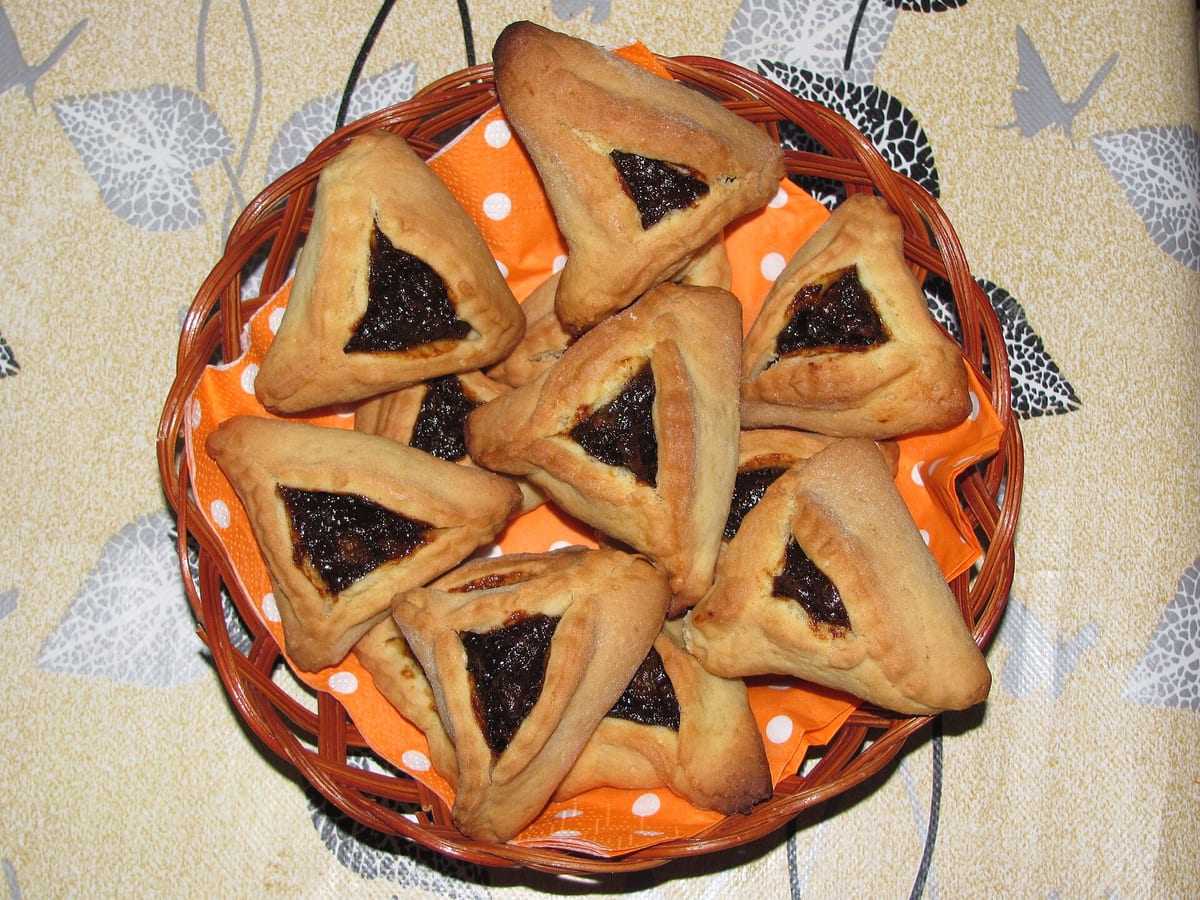 Photo: Yoninah, Wikimedia Commons (CC BY-SA 3.0)
Hamantaschen (pronounced hah-man-TAH-shen) are triangular pastries filled with jam, poppy seeds, chocolate, or other fillings. They're the most recognizable Purim food, and their history is surprisingly intricate.
The pastry's roots trace to 18th and 19th century Germany and Eastern Europe, where a cookie called Mohntaschen (poppy seed pockets) was common. Jewish communities adapted the name and created a pun: Haman plus mohntaschen became "hamantaschen." The filling choices vary, but the triangle has become symbolic.
The folk etymology links the triangle to Haman's tricorn hat, though historically, that hat style didn't exist in ancient Persia (it's more reminiscent of early modern European fashion, like the American Revolutionary era). In Israel, they're called "oznei Haman," meaning "Haman's ears." The symbolism may be loose, but the spirit is clear: eating hamantaschen is a delicious way to celebrate Haman's downfall.
Kreplach
Kreplach are dumplings of Ashkenazi Jewish origin, filled with meat and folded into triangles (yes, another triangle). They're usually boiled and served in soup. Like hamantaschen, the triangle is said to echo Haman's hat or the fate of his parcels.
Kreplach predate Purim; they appear in Ashkenazi cuisine year-round. But their presence on the Purim table is traditional, and the practice ties the holiday's joyful eating to centuries of diaspora cuisine.
Other Purim Foods
Different communities bring different dishes to the table. Yemenite Jews often prepare malawach, a fried pastry. Persian Jews might serve halva or date-filled pastries. Italian Jews have their own traditions. Purim food is a map of diaspora, each recipe carrying its own history of resilience and adaptation.
Costumes and Masquerade
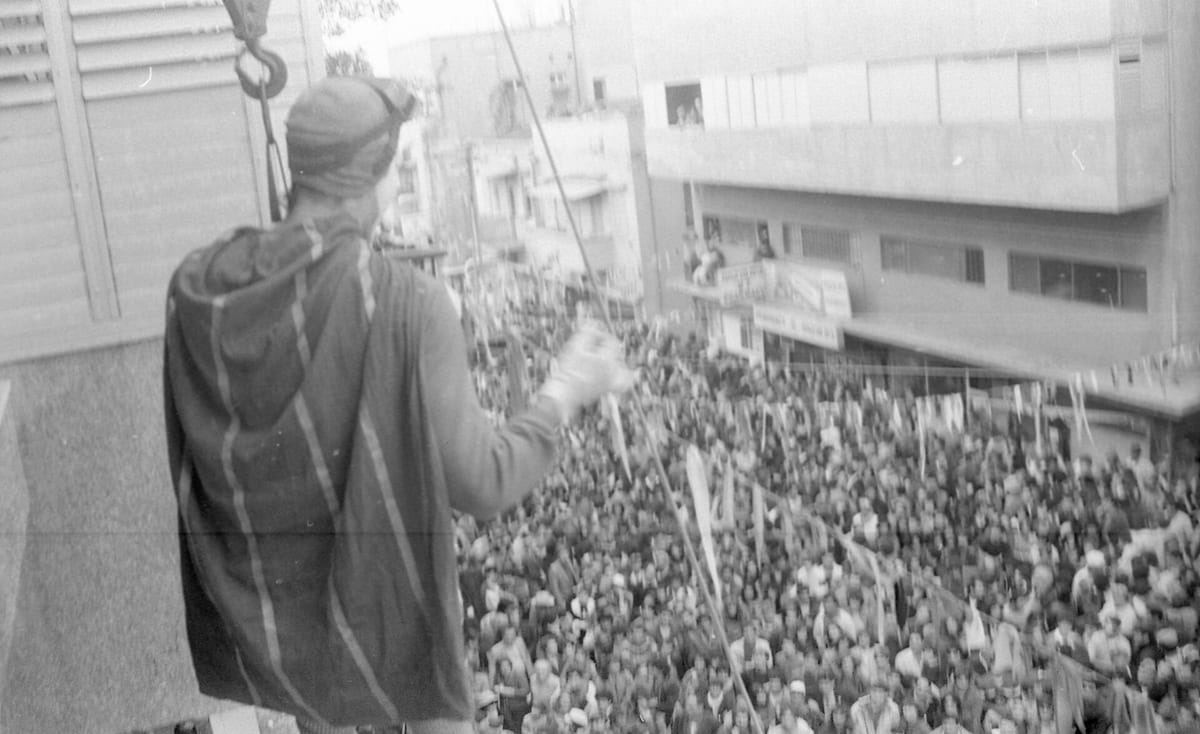 Photo: National Library of Israel / Dan Hadani collection (CC BY 4.0)
Purim is the Jewish version of carnival, and costumes are central to that spirit. The practice dates back centuries and carries deep meaning.
The custom of masquerading on Purim connects to Esther's hidden identity. She concealed her Jewishness from the Persian court, and in a sense, costumes let celebrants re-enact that concealment and revelation. When you remove the mask, you're visible again.
Today, costumes range from straightforward (dressing as Esther or Mordechai) to absurd (whatever joke or pop culture reference strikes you). The holiday embraces both reverence and silliness. You might see a child as a cartoon character next to an adult as a historical figure next to someone as a bad pun made fabric.
Costume wearing extends to Purim plays and performances (Purim spiele), where communities stage comedic, often irreverent versions of the Esther story or parodies of current events. The humor is warm and communal; the goal is laughter, not mockery.
How Purim Fits into the Jewish Calendar
Purim falls in late winter or early spring in the Northern Hemisphere, and it's positioned two weeks before Passover. The Talmud calls it Yom Teruah, a day of shouting and joy.
One way to understand Purim's place: it's the holiday that celebrates Jewish survival in the diaspora. Unlike Passover (liberation from Egypt, an exodus story) or Hanukkah (religious freedom against forced assimilation), Purim marks a moment when Jews navigated political power, hidden identity, and courage from within a foreign court. The story resonates across diaspora communities precisely because it mirrors their lived experience.
Purim in Modern Times
Purim celebrations today blend ancient tradition with contemporary expression. In Israel, the holiday is a full-day public holiday with street parties, costumes, and often quirky public performances. In diaspora communities, synagogues hold Megillah readings, schools host Purim carnivals, and people exchange gifts and attend festive meals.
Some communities have added modern traditions: Purim costume contests, Purim cocktail parties (playing on the obligation to drink), and Purim charity fundraisers. The core obligations remain, but how people interpret and celebrate them has room for creativity.
Social media has also shaped Purim. Families share photos of costumes and mishloach manot baskets. Recipes for hamantaschen trend in food spaces. The holiday, ancient at its core, now has a visible digital presence.
Celebrating Purim with Pride
For many Jews, Purim is one of the most accessible holidays: no fasting required (beyond the optional Fast of Esther the day before), no extensive preparation, and no complex rules. What you need is a community, a commitment to joy, and willingness to show up.
The holiday is also deeply proud. It's a day to celebrate Jewish resilience, to honor the women and men who've protected their people, and to affirm that Jewish identity and community are worth celebrating visibly and loudly. In a world where Jewish visibility isn't always safe, Purim's public, joyful celebration of Jewishness carries extra weight.
Wearing Purim-themed apparel, a punny tee, a statement piece celebrating Jewish pride, or costume elements that mark you as part of the celebration, is a natural extension of that visibility. Kosher Couture's Purim-ready collections and everyday pride wear offer ways to carry that celebration past the holiday itself.
Regional Variations
Purim practices vary across diaspora communities, reflecting local traditions and historical contexts.
Sephardic and Mizrahi communities often incorporate their own foodways and customs. Yemenite Jews have distinct liturgical practices. Italian Jews developed unique Purim spiele traditions. These variations aren't deviations; they're proof that Purim is flexible enough to live in many contexts while staying true to its core.
The second day of Purim, observed by Jews in Jerusalem and some other walled cities (Shushan Purim), adds another layer. The practice dates to the time of Joshua, when Jews outside walled cities observed Purim one day later than those inside; the tradition has persisted into modern times.
The Deeper Meaning
Underneath Purim's surface joy lies a serious meditation on survival, identity, and courage. Esther's story raises hard questions: When should you hide who you are, and when must you reveal it? What does loyalty to community demand? How do you act when the stakes are life and death?
These questions resonate across centuries because they're not historical curiosities; they're lived realities for diaspora Jews. Purim doesn't provide easy answers, but it creates space to hold both joy and seriousness, costume and courage, community and individual agency.
The holiday also affirms that survival itself is something to celebrate. In a tradition shaped by millennia of diaspora, exile, and threat, Purim says: we were almost destroyed, and we're still here. That's worth shouting about.
FAQ
When is Purim in 2026? Purim falls on March 23-24, 2026 (evening through evening of Adar 14 on the Hebrew calendar). The date shifts each year on the secular calendar because the Hebrew calendar is lunar.
Do I have to drink alcohol on Purim? No. The Talmud says you should drink "until you don't know the difference between Haman and Mordechai," which is often interpreted humorously and not taken literally. Drinking wine is traditional, but it's optional. Many people opt for other celebratory practices instead.
Can non-Jews celebrate Purim? Yes. Purim celebrates community and survival, themes that resonate across cultures. Many non-Jewish friends and family members attend Purim celebrations, wear costumes, exchange food gifts, and participate in the joy. You don't need to be Jewish to appreciate the holiday's meaning or join in the festivity.
What's the difference between Purim and Halloween? Both involve costumes and celebration, but Purim is rooted in a specific historical and religious narrative about survival and deliverance. Purim celebrates a Jewish people's continued existence; it's tied to community obligation and charity. Halloween has different cultural origins. They can coexist in the calendar without being the same thing.
Is Purim a major Jewish holiday? Purim is significant but ranks slightly lower in formal observance than the pilgrimage holidays (Passover, Shavuot, Sukkot) and High Holy Days (Rosh Hashanah, Yom Kippur). That said, it's beloved and widely celebrated. Its emphasis on joy, community, and humor makes it accessible and deeply rooted in diaspora Jewish life.
Sources:


