Jewish Symbols Meaning: Star of David, Menorah & More
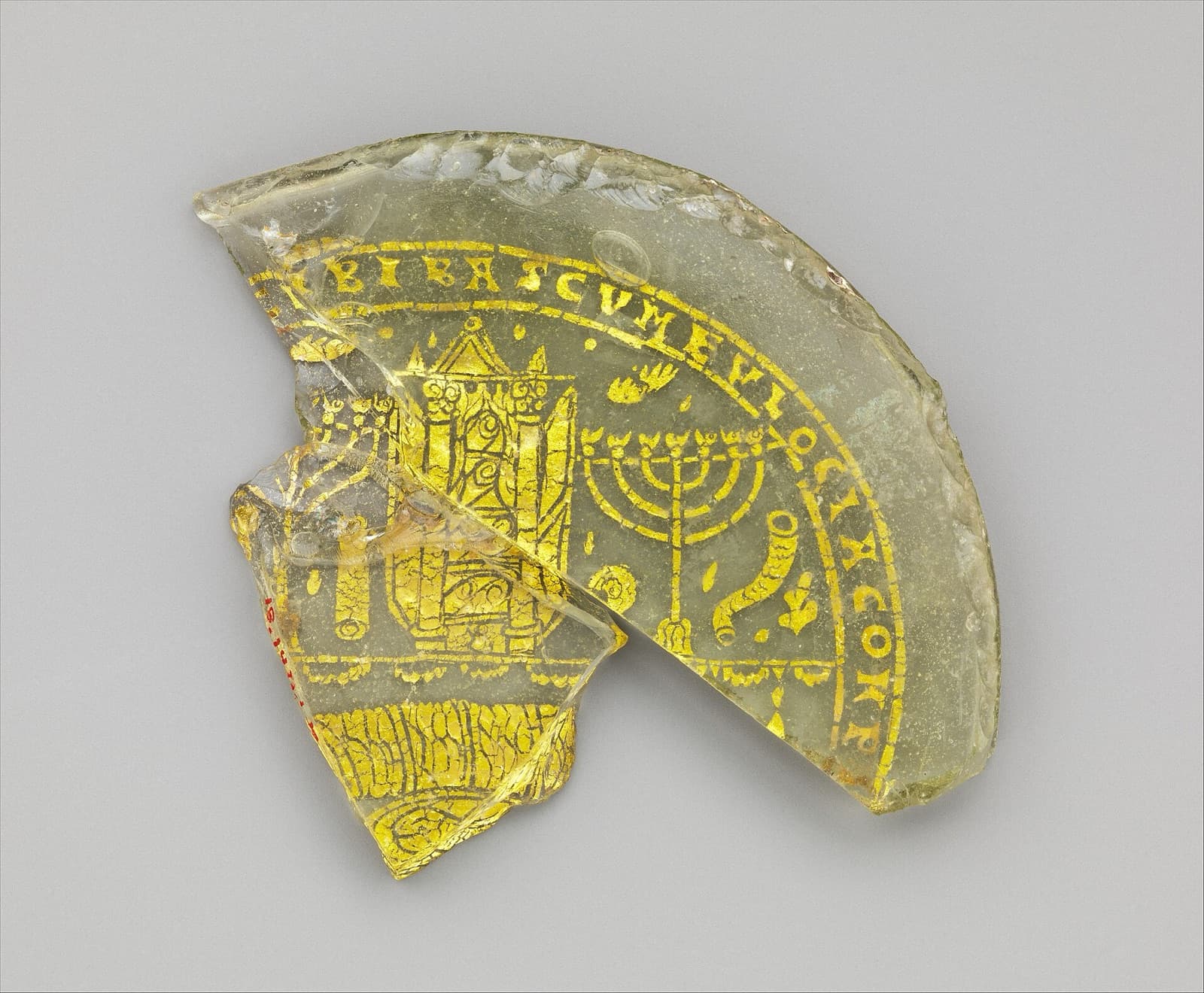
Jewish symbols carry centuries of history and spiritual meaning woven into their designs. From the six-pointed Star of David symbolizing unity and protection to the seven-branched menorah representing divine light and wisdom, these icons anchor Jewish identity and are worn, displayed, and honored in daily life. Understanding their origins and significance deepens your connection to Jewish heritage and culture.
The Power of Symbols in Jewish Culture
Jewish symbols are more than beautiful designs. They're the visual language of a four-thousand-year-old heritage, and each one tells a story that connects modern Jews to ancestors and traditions stretching back through time. Whether displayed in a home, worn on clothing, or mentioned in prayer, these symbols remind us who we are and where we come from.
Symbols work faster than words. A single image conveys identity, pride, belief, and belonging in ways that paragraphs of explanation never quite can. In Jewish culture, where oral tradition and storytelling have always been central, visual symbols became equally crucial. They mark sacred spaces, signal identity, and pass meaning from one generation to the next.
Today, Jewish symbols have become fashion. They appear on t-shirts, jewelry, hoodies, and home decor. They signal pride in a way that feels contemporary and personal. But to wear or display a symbol well, it helps to know what you're actually wearing.
The Star of David: Protection and Pride
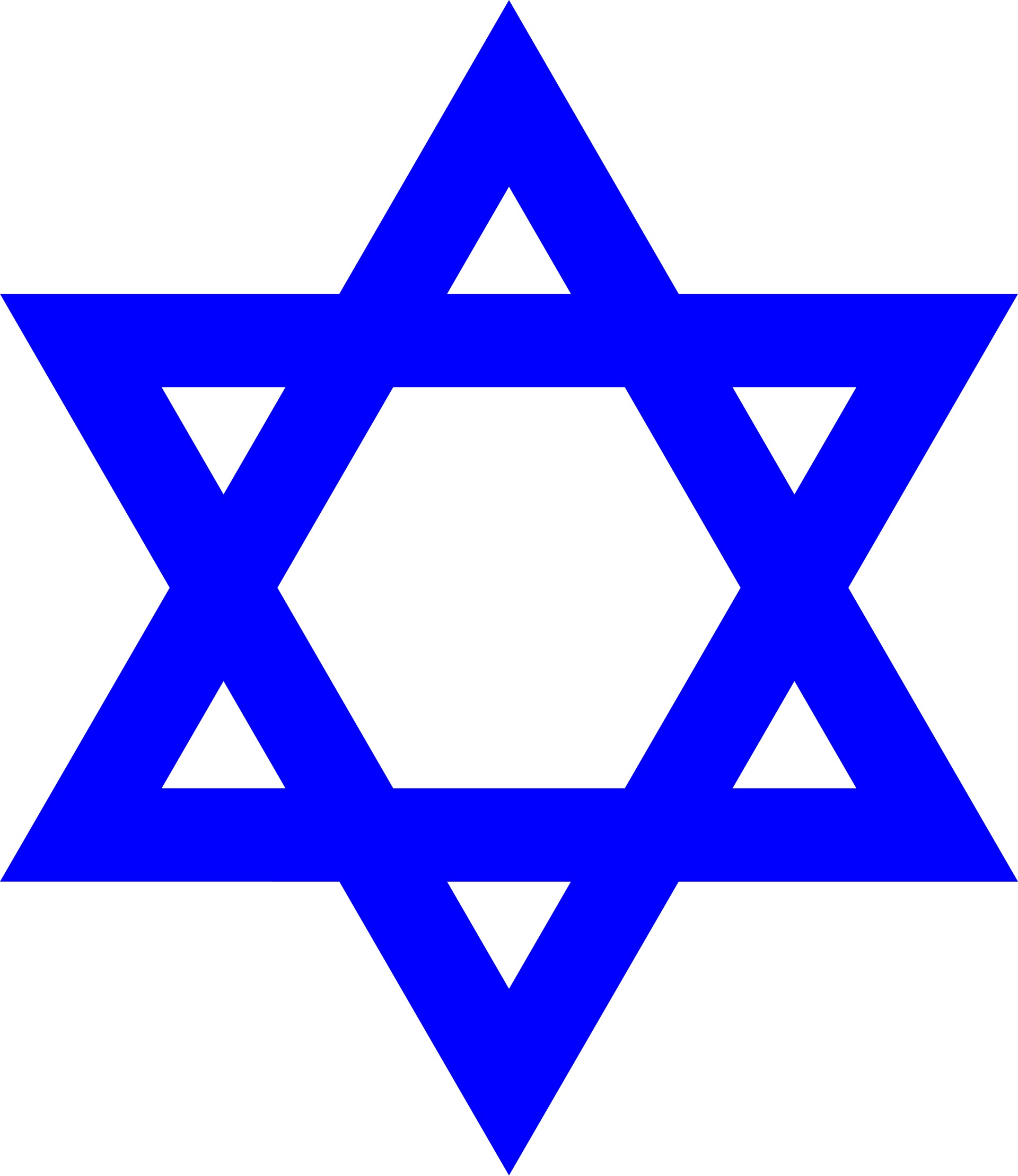 Zscout370, Wikimedia Commons (Public Domain)
The Star of David, six points, two interlocking triangles, is probably the most famous Jewish symbol worldwide. It's on flags, jewelry, buildings, and yes, on plenty of t-shirts. But its journey to prominence is surprisingly recent.
The geometric six-pointed star itself is ancient. It appears in ancient Near Eastern art and architecture long before Judaism existed. But its specific adoption as a Jewish symbol is a medieval development, with earliest appearances in Jewish contexts dating to around the 13th century, appearing on synagogue decorations and religious manuscripts. It wasn't universally recognized as a Jewish symbol until much later, the 1800s, when it was adopted during the Jewish nationalism movement.
The name "Star of David" (Magen David in Hebrew, meaning "Shield of David") connects to the legendary King David. According to tradition, David bore a star-like emblem on his shield. The two triangles are often interpreted symbolically: one pointing upward (toward heaven, toward God) and one pointing downward (toward earth, toward humanity). They represent a bridge between spiritual and material worlds, between the infinite and the personal.
During World War II, the Star of David took on tragic meaning when Nazis forced Jews to wear yellow badges marked with the star, transforming a symbol of pride into a mark of persecution. After the war, Israel's adoption of the Star of David on its flag in 1948 reclaimed it as a symbol of Jewish sovereignty and renewal. Today it represents both survival and strength.
Wearing the Star of David is a visible claim to Jewish identity. On a t-shirt, pendant, or ring, it says, "This is who I am, and I'm proud of it." Whether subtle (embroidered on a pocket) or bold (a large print across the chest), the star remains the most direct way to wear your heritage on your sleeve literally.
The Menorah: Light and Spiritual Illumination
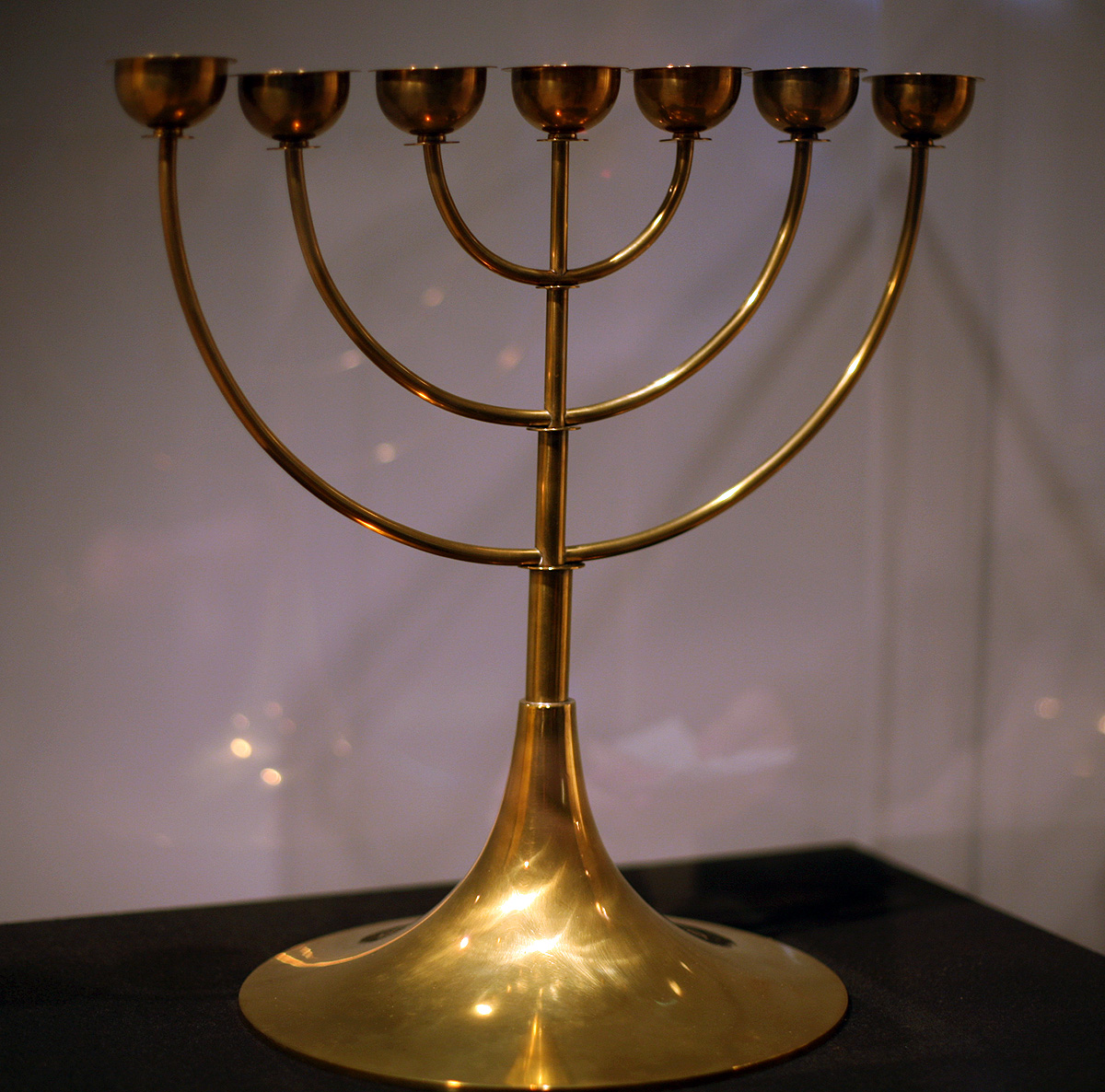 Jewish Museum (New York City), via Wikipedia Loves Art (CC BY-SA 2.5)
If the Star of David is the symbol of Jewish identity, the menorah is the symbol of Jewish spirituality and ritual practice. A menorah is a candelabrum, specifically one with seven branches. (Note: the Hanukkah menorah is technically a Hanukkiah, with nine branches, eight for the days the oil miraculously lasted, plus one higher branch for the shamash, the servant candle that lights the others.)
The seven-branch menorah has ancient roots in Jewish practice. It stood in the Holy Temple in Jerusalem, lit daily by the Temple priests as a sacred object. According to Jewish tradition, its seven branches represented the seven days of Creation. The menorah became a symbol of illumination throughout Jewish spirituality: spiritual light, wisdom, the ongoing presence of the Divine.
The menorah's significance intensifies during Hanukkah, the Festival of Lights. The holiday commemorates the second-century BCE Maccabean revolt against the Seleucid Greek empire, which had desecrated the Second Temple in Jerusalem. When the Jews reclaimed and rededicated the Temple, they found only one jug of ritually pure oil for the menorah, enough for one day. According to Jewish tradition, the oil burned for eight days, giving the priests time to prepare new oil. This miraculous event is at the heart of Hanukkah.
The eight-day holiday celebrates both military victory and spiritual renewal. Each night, families light one more candle on their Hanukkiah, building the light night by night. The ritual is simple but profound: in the darkness of winter, you literally increase the light in your home.
Today, the menorah (or Hanukkiah) remains central to Jewish practice. Lighting candles is one of the few Jewish rituals that's nearly universal. Even secular Jews who don't observe much else often light Hanukkah candles. The menorah has become iconic in Jewish art, jewelry, and apparel, representing both the historical Temple and the enduring presence of Jewish faith and practice in the modern world.
The Mezuzah: Doorpost Declaration
A mezuzah is different from the other symbols here. It's not just a decorative object, it's a functional religious item grounded in Jewish law. Mezuzot (the plural form) are small, often ornate cases affixed to the doorposts of Jewish homes. Inside each one is a hand-written parchment scroll containing the Shema prayer and related passages from the Torah.
The practice comes directly from Deuteronomy 6:4-9, where Jews are commanded to inscribe God's words "on the doorposts of your house and on your gates." The Shema itself, "Hear O Israel, the Lord our God, the Lord is One", is the central prayer of Jewish faith. Observant Jews recite it daily; it's traditionally said as a deathbed prayer. Affixing a mezuzah to your doorpost is both a mitzvah (commandment) and a statement: "A Jewish household lives here. Our faith and values matter in this space."
Historically, this visibility was practical; neighbors knew where Jews lived. In times of persecution, this made Jews vulnerable. But in communities where it was safe, affixing a mezuzah was a public declaration of identity and commitment, a way of saying, "We are here, and we will not hide."
The cases themselves are works of art. They range from simple wood or metal cylinders to elaborate, ornately decorated pieces. Some families use mezuzot made from Israeli olive wood; others choose silver, ceramic, or glass. Many people touch a mezuzah or kiss their fingers as they pass through a doorway, a physical gesture of connection and blessing.
Today, a mezuzah is both deeply ritual and deeply personal. It marks a home as Jewish and grounded in heritage. Whether someone is highly observant or simply culturally connected, a mezuzah on the doorpost remains one of the most visible ways Jewish people declare their identity in home space.
Beyond the Big Three: Other Sacred Symbols
Jewish culture is rich with other meaningful symbols, each with its own history and spiritual significance.
The Chai consists of two Hebrew letters spelling "life" (ח י). Worn on chains around the neck, carved into rings, or embroidered on clothing, chai represents vitality and the fundamental value of life in Jewish tradition. It's popular because it's simple, elegant, and profound, making it perfect for jewelry or apparel that celebrates Jewish identity without demanding strict religious observance.
The Hamsa (also spelled khamsa) is an ancient hand-shaped amulet, popular across the Middle East and North Africa but deeply integrated into Jewish tradition, especially Sephardic Jewish culture. It's believed to offer protection against evil and harm. Often you'll see it with an eye in the palm, the "evil eye" design, which offers additional spiritual protection. The hamsa bridges multiple cultures and faiths, representing the diversity of the Jewish diaspora.
The Pomegranate appears throughout Jewish tradition as a symbol of fertility, abundance, and righteousness. It's mentioned in the Torah multiple times and was embroidered into the hem of the High Priest's garments in the Temple. Today it appears in Jewish art, jewelry, and apparel, particularly pieces celebrating harvest, abundance, or connection to the land of Israel.
The Shalom symbol is simply the word "Shalom" in Hebrew letters. It's both a greeting and a blessing, representing peace. It's straightforward and powerful on t-shirts and apparel, especially relevant for those who value justice, coexistence, and tikkun olam (repairing the world).
Each of these symbols invites conversation and connection. Wearing them signals identity, but also opens doors for dialogue. Friends ask, "What does that mean?" and you get to share your heritage and values.
Symbols in Your Daily Life: Wearing Your Heritage
Modern Jewish fashion makes it easy to wear these symbols without ceremony. A menorah printed on a hoodie for Hanukkah. A Star of David pendant under your shirt or on top. A t-shirt with the Shema in Hebrew script. A chai ring. A Hanukkiah-themed tee in the weeks before the holiday.
Wearing Jewish symbols is a form of everyday pride. You're not waiting for a holiday or a synagogue visit to express your identity. You're literally wearing it, making it part of your daily presentation to the world.
The key is choosing pieces that feel authentic to you. Some people prefer subtle symbols (a small embroidery, a minimalist design). Others want bold, statement pieces that broadcast their pride. Some wear symbols for spiritual reasons; others for cultural connection; others for both. There's no one right way. Your heritage, your style, your choice.
Collections like Hebrew Script and Chai Fashion make this easier by celebrating these symbols on everyday wear, tees, hoodies, and pieces designed to fit how you actually dress, with quality that lasts through washing and wearing.
FAQ
What does the Star of David symbolize? The Star of David represents Jewish identity, pride, and heritage globally. The two interlocking triangles symbolize balance and connection between heaven and earth, spirit and matter. It's the most recognizable emblem of Jewish identity and pride in the modern world.
Why do Jews light the menorah at Hanukkah? During Hanukkah, Jews light the menorah (or Hanukkiah) to commemorate the rededication of the Temple in Jerusalem after the Maccabean revolt and to celebrate the miracle of the oil that burned for eight days. It's a ritual of remembrance, gratitude, and spiritual renewal.
What is a mezuzah, and why do Jews put them on doorposts? A mezuzah is a small case containing a handwritten Torah parchment scroll, affixed to doorposts of Jewish homes. It's a commandment from the Torah and serves as a physical reminder of faith, a declaration of Jewish identity in home space, and a blessing on those who pass through the door.
Are Jewish symbols religious, cultural, or both? They're both. Some symbols like the mezuzah are strictly religious, part of Jewish law and practice. Others like the Chai or Star of David work as both religious and cultural symbols. Many Jews experience their culture and religion as inseparable, so the distinction isn't always clear-cut.
Can non-Jews wear Jewish symbols? Absolutely. Allies and people interested in Jewish culture often wear or display Jewish symbols respectfully. The key is understanding what the symbol means and wearing it with genuine respect. Symbols are bridges; when worn with care and real interest, they invite connection and meaningful conversation.