
Jewish Food Traditions: Heritage on the Table
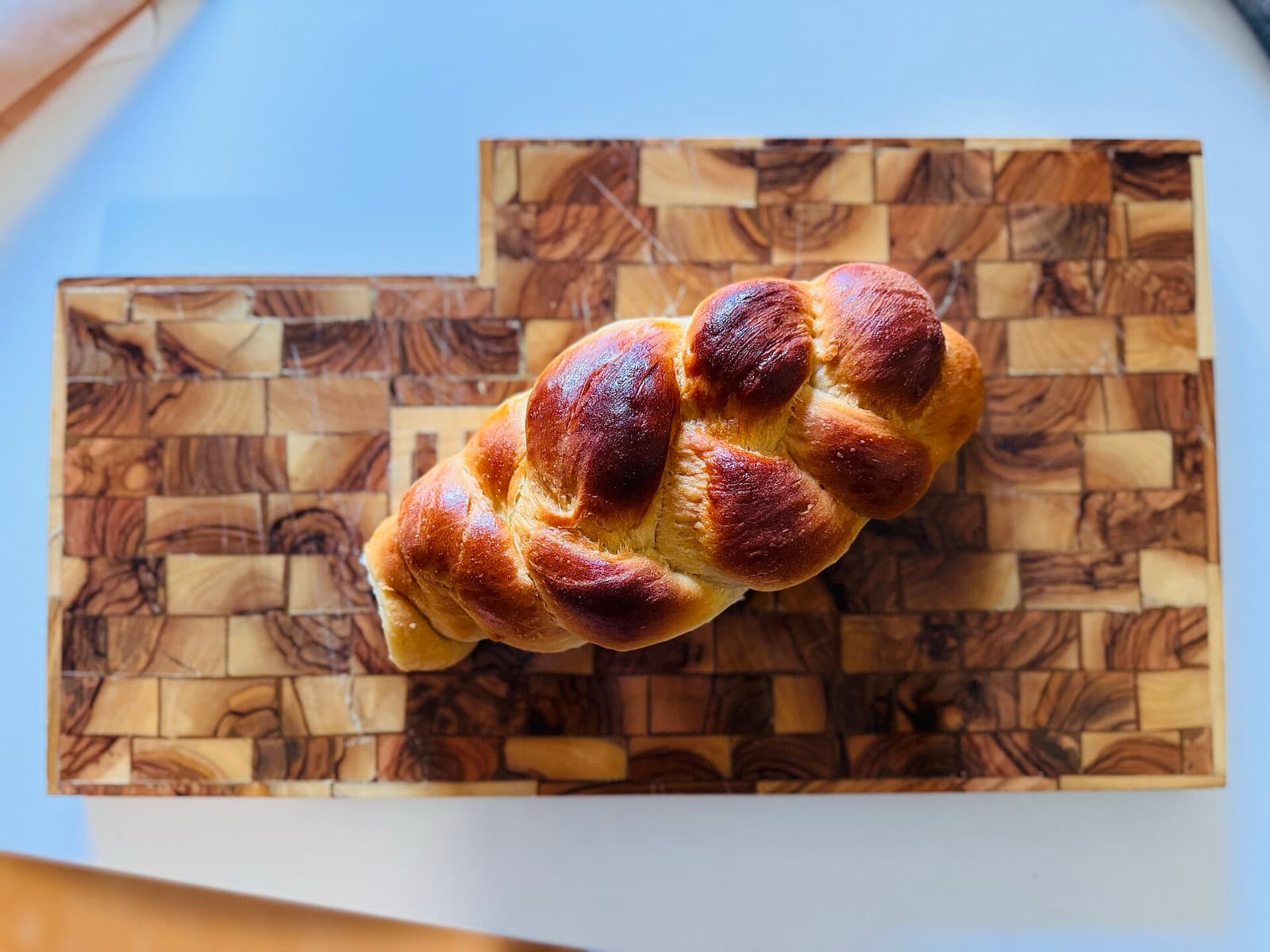
When you sit down to a Friday night Shabbat dinner, you're not just eating; you're carrying forward centuries of stories, survival, and identity. Jewish food traditions span continents, languages, and generations, each dish layered with meaning that goes far deeper than ingredients. Whether it's a steaming bowl of matzah ball soup, the sweet spice of charoset, or the crispy warmth of a latke, Jewish food is heritage you can taste.
What Makes Food Jewish?
Food in Jewish tradition isn't merely sustenance. It's ritual, identity, and memory all braided together. The rules of kashrut (dietary laws), the structure of Shabbat, and the seasonal sweep of holidays have shaped what Jewish communities eat and how they eat it for over three thousand years. These aren't random restrictions; they're frameworks that anchor identity and community. When you keep kosher, observe Shabbat, or prepare for Passover, you're participating in something that connects you to Jewish people across the world and across time.
But Jewish food is also wildly diverse. There's no single "Jewish cuisine" because Jewish communities lived everywhere, adapting local ingredients and techniques while maintaining their own traditions. The result is a rich tapestry of regional styles that tell the story of where Jews lived, how they survived, and what they built together.
The Three Pillars: Ashkenazi, Sephardic, and Mizrahi Cuisine
Ashkenazi: The Food of Eastern Europe
Ashkenazi Jewish culture developed in Central and Eastern Europe, particularly in Germany, Poland, Lithuania, and Russia during the medieval period. The foods Ashkenazi Jews developed reflect their environment: long, cold winters, limited access to fresh produce, and resourcefulness born from both tradition and necessity.
Ashkenazi cooking centers on ingredients that could grow or be preserved in northern climates. Potatoes, root vegetables, grains like barley and rye, and preserved foods like pickled herring and smoked fish became staples. Dairy holds an important place, too, cheese, sour cream, and butter feature prominently. Meat, when available, was (and still is) prepared according to kashrut rules: chicken, beef, and lamb appear frequently in stews and roasted preparations.
The iconic Ashkenazi dishes most people recognize come from this tradition. Matzah ball soup, often called "Jewish penicillin," combines chicken broth with fluffy or dense dumplings made from matzah meal (ground unleavened matzo). Gefilte fish, balls or patties of ground fish mixed with matzah meal and spices, dates back to medieval times when Jews needed to prepare food on Friday to observe Shabbat without cooking. Latkes, golden potato pancakes fried in oil, became the signature Hanukkah food. Challah, the braided egg bread, graces every Friday night and holiday table. Kugel, a baked casserole of noodles, potatoes, or vegetables bound with eggs, appears at Shabbat and holiday meals throughout the year.
What ties these dishes together is ingenuity. Ashkenazi cooking makes the most of affordable ingredients. It builds layers of flavor through long, slow cooking rather than expensive spices. It created techniques for making do when resources were scarce, transforming simple ingredients into dishes rich with tradition and meaning.
Sephardic: The Mediterranean Influence
Sephardic Jews trace their lineage to Spain and Portugal, where they lived for centuries before the Spanish Inquisition forced them into exile in 1492. After expulsion, Sephardic communities settled throughout the Mediterranean, in Turkey, Greece, Italy, Morocco, and beyond. This geographic dispersal meant access to entirely different ingredients than Ashkenazi communities had: abundant olive oil, fresh vegetables, citrus, spices from trade routes, and year-round sunshine.
Sephardic cuisine reflects this abundance and the local traditions of where they settled. It's lighter and brighter than Ashkenazi cooking, with fresh herbs, olive oil, and seafood playing central roles. Sephardic Jews developed dishes like shakshuka (eggs poached in tomato sauce), spinach pastries, and seafood preparations that feel distinctly Mediterranean. Rice dishes and legumes appear frequently. Spices like cinnamon, turmeric, and saffron flavor both savory dishes and sweets.
One of the most beautiful Sephardic traditions is the Passover seder dish charoset, a mixture of chopped fruits, nuts, and wine meant to represent the mortar slaves used in Egypt. Each Sephardic community has its own version, some with apples and almonds, others with dates and walnuts, still others with dried fruits and spices. The differences themselves tell a story of diaspora and adaptation.
Sephardic food also preserves a unique linguistic layer: Ladino (Judeo-Spanish), the language Sephardic Jews spoke, embedded itself in their food vocabulary. Words like "sefina" (a stuffed pastry) and "burekas" (filled pastries) carry that heritage forward.
Mizrahi: The Flavors of the Middle East and North Africa
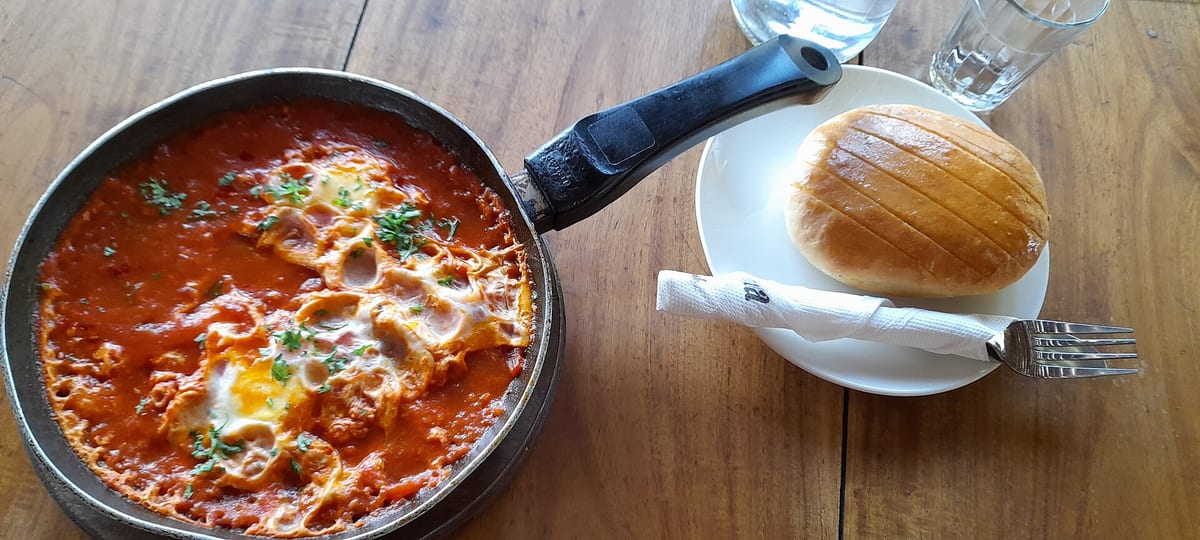 Photo: Soumendrak, Wikimedia Commons (CC BY-SA 4.0)
Mizrahi Jews come from the Middle East, North Africa, and Central Asia, communities in Iraq, Iran, Yemen, Morocco, Syria, Libya, Egypt, and beyond. Their culinary traditions are among the oldest and most diverse in the Jewish world, with some communities claiming lineage tracing back to the First Temple period.
Mizrahi cuisine is bold, aromatic, and deeply tied to local Middle Eastern and North African cooking traditions. It features rice, legumes (lentils, chickpeas, fava beans), lamb and chicken, and generous use of spices: cumin, coriander, turmeric, cardamom, cinnamon, and chili pepper. Fresh herbs like cilantro and parsley appear constantly.
Signature Mizrahi dishes include kubbeh (ground meat and bulgur formed into balls or cooked in broth), various rice pilafs, hearty stews, and grilled meats. Shakshuka, which became widely known through Israeli cuisine, has roots in Mizrahi traditions. Hamin or hamim (also called dafina in some communities), a slow-cooked stew of meat, eggs, legumes, and often potatoes or rice, connects directly to Shabbat observance, since it can cook overnight and be ready for Saturday lunch without violating the prohibition on cooking.
The spice and complexity in Mizrahi cooking reflects the regions where these communities flourished. It's a cuisine built on the principle that flavor comes from technique and the careful layering of spices, not expensive ingredients.
The Sacred Structure: Shabbat and Holiday Food
What ties all these regional traditions together is their relationship to Jewish ritual and the Jewish calendar. Food doesn't exist in isolation in Jewish tradition; it's woven into the structure of how Jews observe time itself.
Shabbat: The Weekly Rhythm
Shabbat (the Sabbath) occurs every week from Friday evening to Saturday evening and is perhaps the most fundamental rhythm in Jewish life. It's a day of rest, a break from work and creation, observed since ancient times. The Shabbat table is the center of this observance.
Friday night dinner follows a ritual order. Challah is blessed and broken to begin the meal. Wine (or grape juice) is sanctified in a blessing called Kiddush. Then comes the meal itself, traditionally including chicken or meat, vegetables, and side dishes that vary by tradition and family. Because cooking is prohibited on Shabbat itself, everything must be prepared beforehand. This practical constraint shaped an entire category of Shabbat-appropriate foods, dishes that can sit warmly on a stove or be served at room temperature without losing their appeal.
Saturday lunch features another meal, often centered on cholent (an Ashkenazi slow-cooked stew) or hamin (the Mizrahi equivalent). These dishes can cook overnight on a low heat source, ready for Saturday without any cooking on the day itself.
The Shabbat table is where family gathers. It's where children learn tradition through food, where the week's stories are shared, where the rhythm of Jewish life becomes tangible. In this way, Shabbat food serves a purpose that goes far beyond nutrition.
Holiday Foods and Their Meanings
Each major Jewish holiday centers on specific foods and rituals that commemorate events and values central to Jewish identity.
Passover (Pesach) celebrates the exodus from Egypt and the liberation from slavery. The central ritual is the seder, a ritual meal structured around symbolic foods. Matzah (unleavened bread) commemorates the hasty departure when there was no time to let dough rise. Maror (bitter herbs) represents the bitterness of slavery. Charoset symbolizes the mortar slaves used to build. Matza ball soup, potato kugel, and other dishes made with matzah meal rather than regular flour fill Passover tables. For eight days, Jewish families avoid leavened bread and products containing chametz (leavening agents), a practice that reshapes the entire culinary calendar.
Hanukkah celebrates the rededication of the Temple and lasts eight days. Latkes (potato pancakes) and sufganiyot (jelly doughnuts) are the signature foods, both fried in oil to commemorate the miracle of oil that burned for eight days. The focus on oil-fried foods makes this holiday unmistakable at the table.
Rosh Hashanah (Jewish New Year) features foods chosen for their symbolic meanings. Apples are dipped in honey to represent hopes for a sweet year. Pomegranate, with its many seeds, symbolizes abundance and fertility. Challah is round rather than braided, symbolizing the cycle of the year. Honey cake and fish round out a table designed to invoke blessing and hope.
Sukkot celebrates the harvest and the wilderness wandering after Exodus. Jews build sukkot (temporary shelters) and eat meals within them. The foods of Sukkot often emphasize harvest vegetables and fruits, and families may gather with community members to share meals in the sukkah.
Each holiday's foods carry forward specific stories and values. To eat these foods is to re-enter the story yourself, making it personal and present.
Regional Diversity and Diaspora
While we've outlined three broad traditions, the reality is far more complex. Jews lived everywhere, and their food reflects the collision of Jewish identity with local culture. Iraqi Jews have makhluba (a rice and vegetable dish). Moroccan Jews have tagines and preserved lemons. Turkish Jews developed sophisticated pastry traditions. Kurdish Jews made their own distinctive breads and preparations. Yemenite Jews created unique spice-forward stews and breads. Tunisian Jews have brik (crispy pastries) and couscous dishes.
This diversity means that Jewish food isn't monolithic. A family's food traditions depend on where their ancestors lived, which waves of migration or displacement shaped their journey, and how they adapted to their surroundings while maintaining their identity. This is one reason why Jewish identity itself is so layered, and why food remains such a powerful way of connecting to heritage.
The modern Jewish table often reflects this diaspora directly. A single Shabbat meal might include dishes from multiple traditions. Families blend the recipes their grandparents brought with new influences. This isn't dilution; it's living tradition, evolving while staying rooted.
Food as Identity and Pride
In recent decades, Jewish food has become a visible marker of pride and identity, particularly as younger generations reclaim and celebrate heritage. The rise of Israeli cuisine globally (which draws heavily on Mizrahi Jewish cooking) has brought dishes like shakshuka and hummus to international recognition. Jewish cookbooks and food writers have transformed these recipes from family secrets into documented cultural touchstones.
Food carries identity in ways that transcend language or geography. You can move to another country, adopt a new language, build a new life, but the taste of the foods you grew up with connects you to home, to family, to a larger community sharing the same heritage. For Jews scattered across the world, food is one of the most tangible threads to history and belonging.
This is part of why Kosher Couture celebrates heritage worn daily. Food traditions, like the apparel that honors Jewish identity, are ways of saying: "This is who I am. This is where I come from. This matters to me." Whether you're wearing a Yiddish Yarns tee or serving Shabbat dinner, you're living your heritage openly and proudly.
Contemporary Jewish Cooking
Today's Jewish cooks are both honoring tradition and reinventing it. Food writers like Samin Nosrat, Yotam Ottolenghi, and Adeena Sussman are publishing cookbooks that celebrate Jewish food in all its regional diversity. Restaurants worldwide now serve "Jewish food" as a serious culinary category. Young Jewish cooks are exploring their family recipes, documenting them, and sharing them with their communities.
The internet has democratized these recipes in ways previous generations couldn't imagine. A young Jewish person in Minnesota can learn to make Iraqi kubbeh from a food blogger in Tel Aviv. A family can access their Moroccan grandmother's couscous recipe through a digital archive. This global connectivity has strengthened Jewish food traditions even as it transforms them.
At the same time, food insecurity and assimilation pose real challenges to the continuation of these traditions. When recipes aren't written down, when families scatter across continents, when generations grow up without learning to cook traditional dishes, something is lost. This is why documenting and celebrating Jewish food traditions has become an act of cultural preservation.
FAQ: Jewish Food Traditions
What does "kosher" actually mean? Kosher means "fit" or "proper" according to Jewish dietary laws (kashrut). These laws, outlined in Torah and elaborated in Jewish tradition, specify which animals can be eaten (only those that chew their cud and have split hooves, like cows and sheep; not pigs or shellfish), how they must be slaughtered, which foods can be combined, and many other rules. Keeping kosher is a way of maintaining Jewish identity and connection to tradition, whether for religious reasons or cultural ones.
Why is matzah eaten at Passover? Matzah is unleavened bread eaten during Passover to commemorate the hasty exodus from Egypt, when enslaved Hebrews left so quickly that their bread dough didn't have time to rise. Eating matzah connects participants directly to that historical moment and the liberation it represents. For eight days during Passover, chametz (leavened grain products) is avoided entirely.
What's the difference between Ashkenazi and Sephardic food? Ashkenazi cuisine developed in Central and Eastern Europe and features potatoes, root vegetables, preserved foods, and dishes like matzah ball soup and latkes. Sephardic cuisine comes from the Mediterranean and features olive oil, fresh vegetables, and lighter preparations influenced by Spanish, Turkish, and North African cooking. The differences reflect the climates where each community lived and the local ingredients available to them.
Is Israeli food the same as Jewish food? Israeli cuisine draws heavily on Jewish food traditions, particularly Mizrahi ones, but it's also shaped by Palestinian, Arab, and other regional influences. Modern Israeli cooking is contemporary and diverse. Jewish food traditions, by contrast, encompass the foods of Jewish communities worldwide and span centuries. They overlap significantly but aren't identical.
Why do Jewish holidays have specific foods? Holiday foods serve as edible symbols, embedding the meaning of each holiday directly into the meal. Matzah at Passover, apples and honey at Rosh Hashanah, latkes at Hanukkah, these foods help participants remember and re-enter the stories and values each holiday celebrates. Food makes abstract concepts tangible and connects us to both historical events and the community experiencing them alongside us.
Sources:


