
Jewish Folklore: Stories That Shape Who We Are
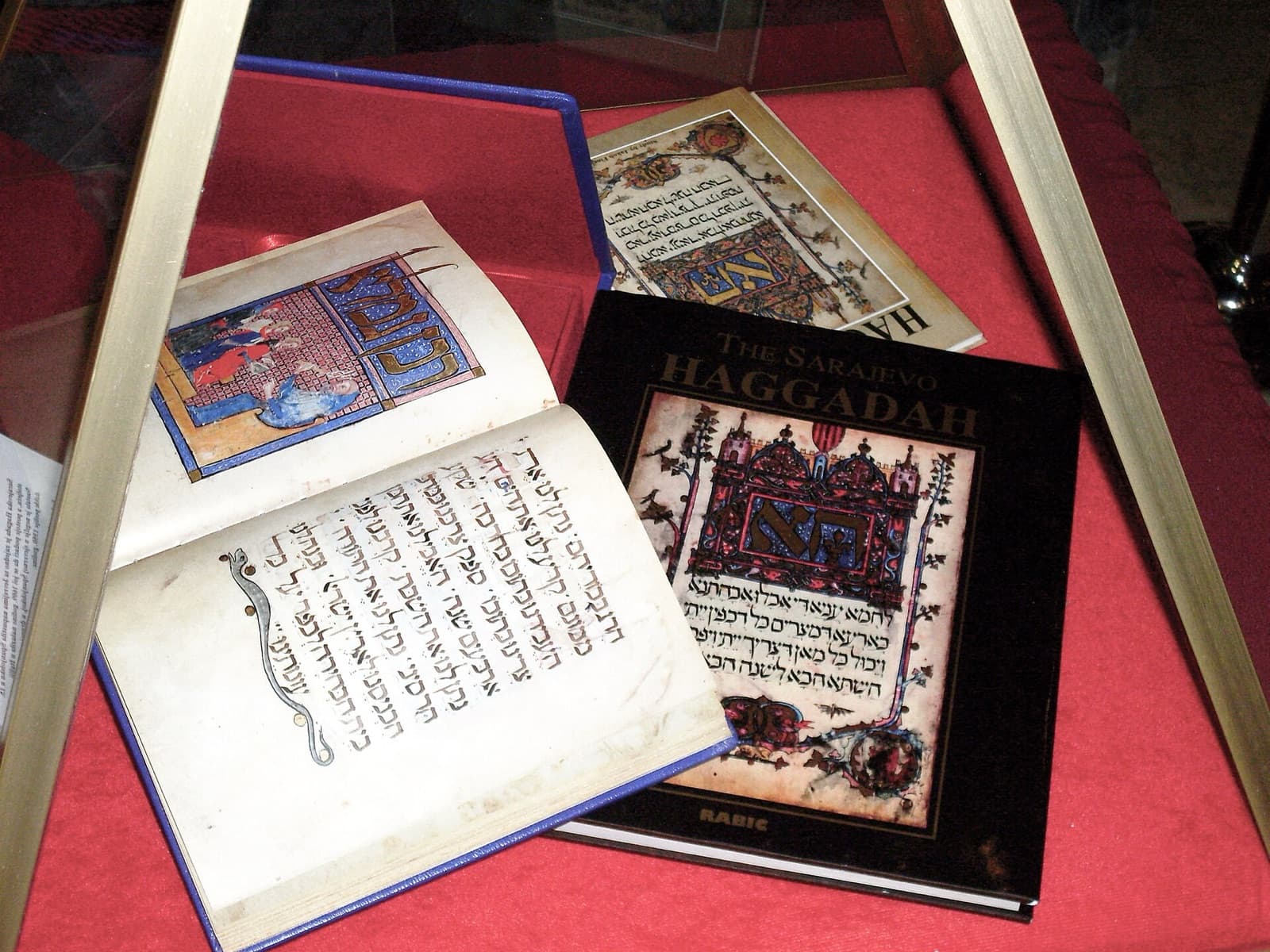
Jewish folklore is a collection of timeless stories, legends, and myths that have shaped Jewish culture for centuries. Far more than entertainment, these tales carry moral wisdom, spiritual insight, and cultural identity that continue to define how we understand ourselves and our traditions. From the clay golems of Prague to the wandering wisdom of the Baal Shem Tov, Jewish folklore teaches us about resilience, redemption, and what it means to belong to a people rooted in storytelling.
What Is Jewish Folklore, And Why It Matters
Jewish folklore sits at the intersection of rabbinical wisdom, mysticism, and community memory. Unlike sacred texts or formal law, folklore lives in oral tradition, handed down through generations in Yiddish and Hebrew, around kitchen tables and at community gatherings. It's the space where the everyday meets the spiritual, where ordinary people grapple with extraordinary moral questions.
The beauty of Jewish folklore is that it's never just one thing. A story about a golem isn't only about creation and power, it's about the responsibility we carry when we make something. A tale about a dybbuk isn't only about possession, it's about atonement and the weight of past actions. These aren't stories meant to be solved or explained away. They're meant to sit with us, to challenge us, to ask us who we want to be.
For centuries, folklore has been how Jewish communities preserved identity during exile and hardship. When formal education wasn't always accessible, folklore was democratized wisdom. A peasant farmer in 18th-century Eastern Europe and a scholar in Jerusalem could both carry the same story in their hearts and understand it as a reflection of their own struggles and hopes.
The Golem: When We Create, We Bear Witness
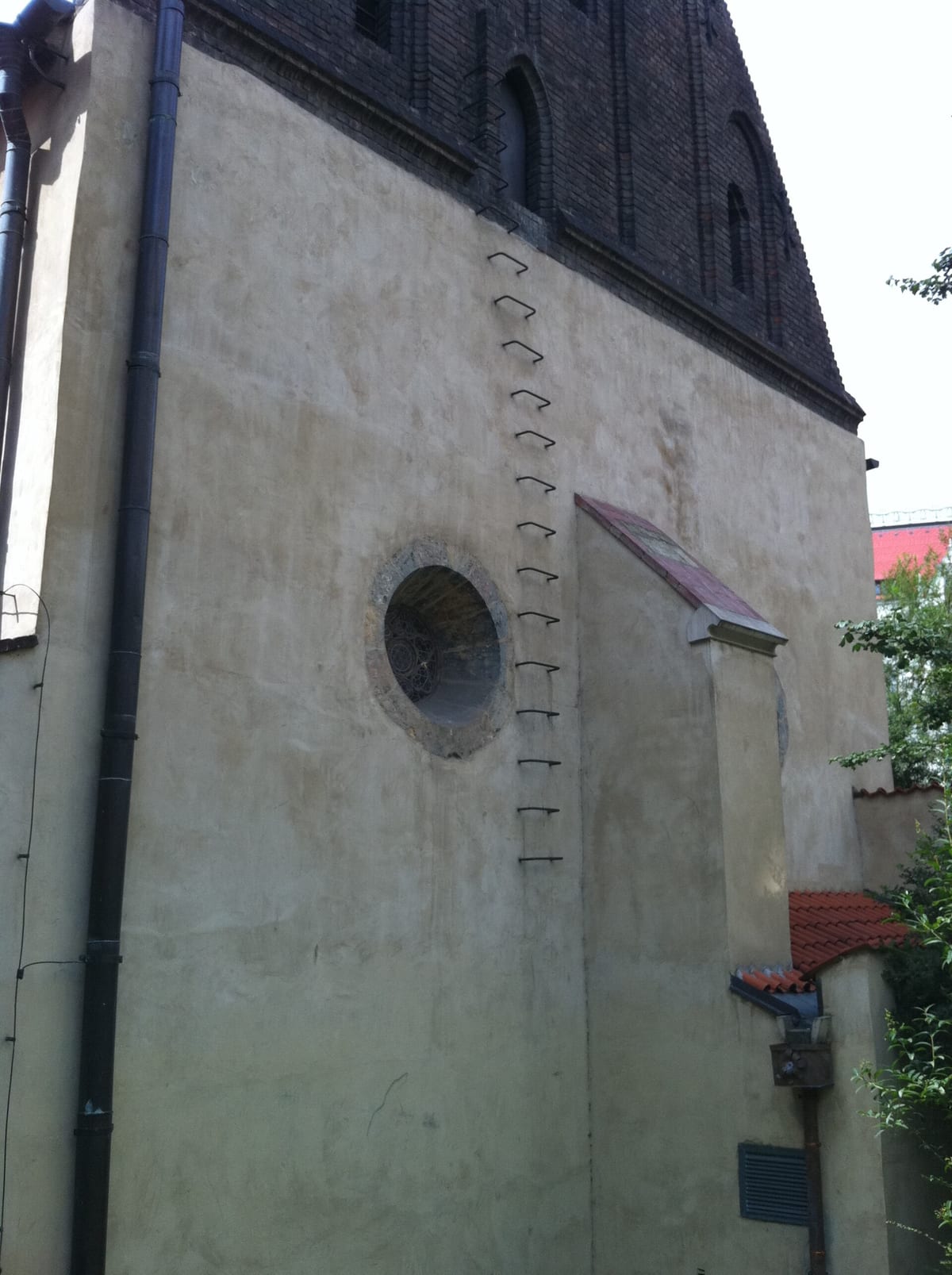 Photo: ="//commons.wikimedia.org/wiki/User:Dtobias" title="User:Dtobias", Wikimedia Commons (CC BY-SA 3.0)
The golem is perhaps the most iconic figure in Jewish folklore. At its core, a golem is a creature made from clay or earth, brought to life through divine power or magical incantation by a rabbi or spiritual master. The word itself comes from Hebrew, originally meaning "unformed substance" or "embryo," but in folklore, it evolved into something far more haunting: a being created to protect the Jewish people.
The most famous golem legend is set in Prague during the 16th century, when the city's Jewish community faced danger and persecution. According to tradition, Rabbi Loew (also known as the Maharal of Prague) created a golem to protect the community from violence and blood libels, false accusations that Jews used non-Jewish blood in ritual practice. The golem was said to be an enormous, powerful creature capable of defending those who had no other protection.
But here's where the folklore gets complicated, and where it stops being a simple hero story. The golem was dangerous. It was strong, but it wasn't truly conscious. It couldn't make moral judgments. In some versions of the legend, the golem becomes too powerful to control, and the rabbi must deactivate it by erasing a letter from the Hebrew word written on its forehead, changing "emet" (truth) to "met" (death). The creature returns to lifeless clay.
This is the real wisdom of the golem story. It's not about the triumph of protection. It's about the terror of creation that escapes your control. It's a medieval meditation on the responsibility we carry when we make something powerful. Do we have the wisdom to use it? Do we have the humility to stop using it when we should? The golem asks us these questions even now, centuries later, and we still don't have easy answers.
In modern times, the golem has become a powerful metaphor in Jewish culture for artificial intelligence, for technology that we create without fully understanding its implications. The ancient tale speaks directly to contemporary anxieties about what we build and what might build next.
The Dybbuk: The Weight of Unfinished Business
If the golem is about creation, the dybbuk is about haunting. A dybbuk, in Jewish folklore, is a malevolent spirit, the restless soul of the dead who has become attached to the living. Unlike a simple ghost that merely appears, a dybbuk actually possesses a living person, speaking through them, tormenting them, acting against their will.
The dybbuk emerges primarily in Eastern European Jewish folklore, particularly in Hasidic tales. The most famous literary rendering is "The Dybbuk," an early 20th-century play by S. Ansky, which tells of a young woman possessed by the spirit of a dead man with whom she had a previous connection. The story explores themes of love, debt, and the consequences of unfulfilled promises.
But the deeper wisdom of dybbuk folklore isn't about supernatural possession in the modern psychiatric sense. It's about unfinished business. A dybbuk possesses someone because something, a debt, a broken promise, an act of betrayal, remains unresolved. The only way to free the possessed person is to address the root cause. The dybbuk must speak its truth, the injury must be acknowledged, and atonement must occur. Only then can the spirit find peace.
This is why dybbuk stories are fundamentally about teshuvah, the Jewish concept of repentance and return. The dybbuk forces a reckoning. It won't let things stay buried. And the resolution, when it comes, is always about facing what we've done and making it right.
In contemporary Jewish culture, the dybbuk has become a symbol for trauma and memory. Unprocessed pain "possesses" a community or a person, speaking in ways that seem foreign and uncontrollable, until someone has the courage to name the original wound and address it.
Legends of Wisdom: Solomon, the Baal Shem Tov, and Others
Jewish folklore isn't all about supernatural creatures. Some of the most powerful stories concern wise people and what they teach us about justice, compassion, and the nature of truth.
King Solomon: Wisdom That Sees the Heart
The story of King Solomon and the two mothers is one of the most ancient and beloved tales in Jewish tradition. Two women come before Solomon, each claiming to be the true mother of an infant. He cannot determine truth through testimony alone, so he proposes a test: he will cut the child in half, and each mother will receive an equal portion.
The true mother immediately cries out, "No! Give the child to the other woman. Please, do not kill the child." The other woman remains silent. Solomon recognizes the true mother immediately: she revealed herself through the depth of her love and willingness to sacrifice.
This story, rooted in the Book of Kings, teaches something that goes far beyond a neat legal trick. It suggests that real wisdom isn't about facts or arguments. It's about understanding the human heart. The ruler who can read love and compassion, who can understand what people will and won't do to protect what they cherish, is wiser than anyone who merely knows the law.
The Baal Shem Tov: The Master of the Good Name
The Baal Shem Tov (meaning "Master of the Good Name") was a real 18th-century rabbi born Israel ben Eliezer (1700-1760) who became the founding figure of Hasidic Judaism. While he was an actual historical person, his life became woven into folklore almost immediately, stories about his spiritual power, his kindness, his ability to heal and transform through prayer and presence.
Baal Shem Tov legends often emphasize compassion over rigid law. In one famous tale, he intercedes with divine judgment on behalf of someone considered a sinner by the community. In another, he teaches that serving God can happen through joy and everyday life, not just through ascetic study. His folklore represents a shift in Jewish spirituality toward the possibility that regular people, not just scholars, could experience the divine and live holy lives.
The Baal Shem Tov's influence is enormous, Hasidic Judaism emerged from his teachings and remains a vibrant movement today. But it's the folklore surrounding him that has kept his memory alive. The stories are how communities understand his values and continue to apply them.
Why Folklore Still Speaks to Us
Jewish folklore has survived exiles, migrations, pogroms, and centuries of cultural change. Yet these stories are not museum pieces. They're alive because they ask questions we still need to ask.
When we tell the golem story, we're asking about the ethics of creation and control. When we recount dybbuk legends, we're processing trauma and the possibility of healing. When we invoke Solomon's wisdom, we're remembering that justice requires more than knowledge, it requires compassion. When we recall the Baal Shem Tov, we're affirming that ordinary life is holy.
These stories give us a vocabulary for discussing ethical dilemmas that don't have easy answers. They're proof that our ancestors grappled with similar questions and that there are multiple ways to think through them. They connect us to generations of storytellers and listeners, making us part of a continuous chain of tradition.
Folklore as Heritage Worth Wearing
For Jewish people today, folklore is a direct line to our heritage. It's one of the purest expressions of what it means to be Jewish, not always tied to religion in the formal sense, but deeply tied to culture, identity, and the values we pass down. Wearing your heritage proudly means knowing these stories, understanding the symbolism in our community, and keeping the tradition of storytelling alive.
That's why these tales matter on a fashion blog. Kosher Couture celebrates heritage worn daily. Our collections like Hebrew Script, Yiddish Yarns, and our seasonal pieces exist to give you a way to express the culture you carry. And that culture is built on stories, stories of resilience, wisdom, redemption, and the unshakeable bonds of community.
When you wear your heritage, you're participating in something centuries old. You're adding your voice to the chorus of storytellers who have kept Jewish culture alive. You're saying, "This matters to me. This is who I am. This is who my family is, and I'm proud to be part of this people."
FAQ
What's the difference between Jewish folklore and Jewish mythology? Folklore typically emerges from communities and evolves through oral tradition; it's often associated with a people or culture. Mythology is sometimes used more broadly to include ancient sacred narratives. Jewish folklore includes both rabbinic legends (like the Baal Shem Tov) and folk tales that circulated in Yiddish-speaking communities. The line between them isn't always clear, and many scholars use the terms somewhat interchangeably when discussing Jewish stories.
Are golems and dybbuks real? Not in the literal sense that they exist as independent beings. They're folkloric and mystical concepts, not documented supernatural creatures. However, they're very real in their impact on Jewish culture, art, literature, and philosophy. Scholars interpret them variously, some as psychological metaphors, others as spiritual teachings, others as expressions of historical anxieties about safety and control.
Where did most Jewish folklore come from? Much of the Jewish folklore we know today originated in medieval and early modern Europe, particularly in the Ashkenazi communities of Eastern Europe. It was transmitted orally in Yiddish and Hebrew, collected later in written form by folklorists and scholars. Some folklore has roots in much earlier periods and appears in Talmudic tales, while other stories emerged from specific historical circumstances like the Inquisition or pogroms.
Can non-Jewish people appreciate Jewish folklore? Absolutely. These stories ask universal questions about creation, redemption, wisdom, and justice. They're rich enough to reward everyone who encounters them, and they're part of the broader cultural legacy of humanity. That said, there's something particular about encountering these stories as part of your own heritage, a sense of recognition and belonging that's hard to describe to someone outside the tradition.
How can I learn more about Jewish folklore? Start with accessible collections like those edited by Elie Wiesel or David Ganz. Look for retellings of specific legends (there are beautiful modern illustrated editions of golem and dybbuk stories). Explore Hasidic tales through anthologies and books on Baal Shem Tov teachings. Many Jewish cultural organizations, museums, and heritage sites also offer programs on folklore and storytelling, it's a living tradition, not just a historical one.


