
Jewish Charities: Where Tradition Meets Action
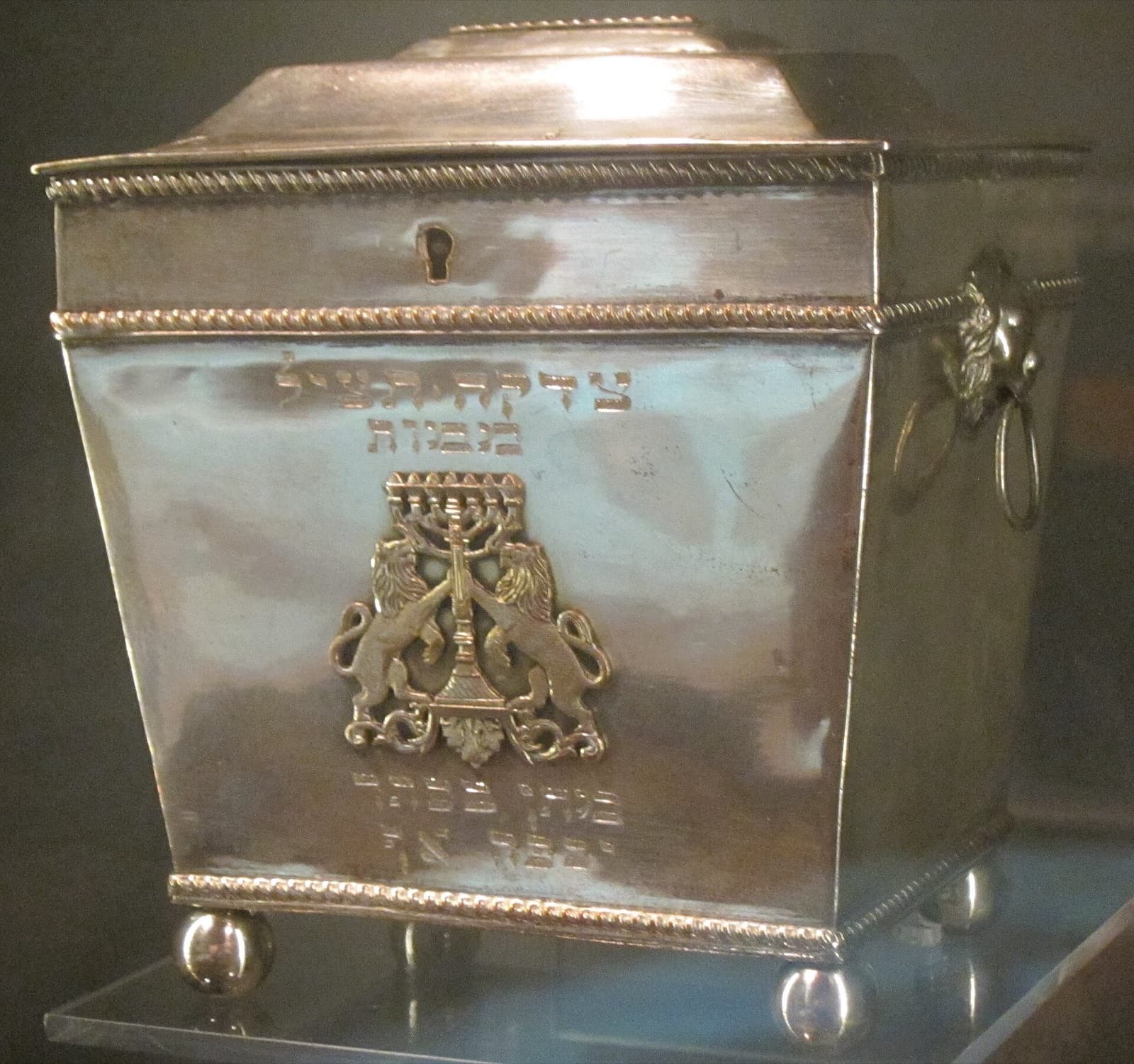
When you give to a Jewish charity, you're not just donating money. You're joining a centuries-old practice rooted in the Hebrew concept of tzedakah, which means justice. In Jewish tradition, giving is not optional charity but an obligation to repair the world and restore balance. Today's Jewish charities carry forward this mandate through sustained, strategic work on hunger, disability services, refugee support, and community care.
If you want to support Jewish causes, the question isn't just "where should I give?" but "where will my giving do the most good?" This article guides you through three of the most impactful Jewish charities, explains the values they embody, and shows you how to practice giving in ways that align with your values.
The Jewish Tradition Behind Charity
Jewish giving has deep roots. The Talmud, the central text of Jewish learning, teaches that giving tzedakah (justice through charity) is a commandment equal in weight to all other commandments combined. This is not metaphor in Jewish tradition; it's a fundamental teaching about the moral weight of justice and community care.
Maimonides, the 12th-century Jewish philosopher and legal scholar, outlined eight levels of tzedakah. The highest level is helping someone become financially independent so they no longer need assistance. The lowest is giving reluctantly. This hierarchy reveals something crucial about Jewish values: the goal is not endless dependence but restored dignity, capacity, and self-sufficiency. When you give to a Jewish charity that practices this principle, you're investing in people's independence, not in their need.
In modern Jewish communities, this obligation plays out in countless ways. Some families set aside a portion of income each month for giving. Others volunteer, organize fundraisers, or direct their charitable resources toward specific causes. The practice is so central that pushke, the Yiddish word for a tzedakah box or collection tin, appears in countless Jewish households. These small boxes serve as a daily reminder that giving is not an afterthought but foundational to Jewish life.
Today's Jewish charities carry forward this ancient framework into modern contexts, addressing hunger, disability, refugee crises, and community needs with the same commitment to justice and human dignity that shaped Jewish practice for thousands of years.
Why Choose a Jewish Charity?
Jewish charities operate according to a specific set of values. They prioritize community, justice, dignity, and mutual responsibility. They tend to be rooted in Jewish history and ethics. Many are connected to communities and networks across the diaspora and in Israel. When you support a Jewish charity, you're supporting not just a cause but a particular approach to solving problems and caring for people.
Jewish charities also make space for younger generations to practice their identity through action. For many Jewish adults, supporting Jewish charities is a tangible way to live out their values in a secular world. It connects them to history, to community, and to an ethical system that transcends transaction and consumption.
This matters especially in an era when giving can feel abstract or oversaturated. Choosing a Jewish charity means choosing an organization grounded in a specific tradition, with specific accountability to its community, and with a framework for understanding why the work matters.
Three Jewish Charities Doing Transformative Work
Three organizations stand out for their scope, impact, and roots in Jewish values.
Mazon: A Jewish Response to Hunger
Founded in 1985, Mazon is the first and only national Jewish organization dedicated exclusively to fighting hunger among people of all faiths and backgrounds. The name itself, meaning "food" or "sustenance" in Hebrew, signals the organization's core commitment.
Mazon operates through three interconnected strategies: advocacy and education to change policy, grant-making to support local and national hunger-relief efforts, and direct initiatives targeting populations often overlooked. They focus on communities that face the sharpest edges of hunger: military families, veterans, Indigenous communities, college students, the LGBTQ+ community, and immigrants.
What makes Mazon distinct is its framing. Rather than treating hunger as a charity problem requiring temporary relief, Mazon treats it as a justice issue requiring systemic change. This approach aligns directly with Jewish values of tzedakah. The organization advocates for policy changes in Washington, D.C., partners with grassroots organizations nationwide, and consistently asks the question: how do we build a world where fewer people face hunger in the first place?
For donors, supporting Mazon means supporting not just meals served today but structural change aimed at preventing hunger tomorrow. It's tzedakah at scale. The organization's leadership is rooted in Jewish community, its values are explicitly Jewish, and its work honors the principle that justice and feeding the hungry are inseparable.
Yad Sarah: Dignity in Every Service
In Israel, Yad Sarah operates at a scale that mirrors the country's complexity and need. Founded in 1976, Yad Sarah is Israel's largest volunteer-staffed organization, with 126 branches and over 7,000 volunteers serving more than one million people annually.
Yad Sarah's work spans elderly care, support for people with disabilities, emergency services, and community programming. The organization is known for its lending library of medical equipment. But its reach extends far deeper: wheelchair-accessible vans, in-home geriatric dental care, legal aid for at-risk elderly, play centers for families with disabled children, and an emergency home alarm service for the homebound.
What makes Yad Sarah exemplary is its unwavering commitment to independence and dignity. Rather than simply providing services to dependent populations, Yad Sarah's model enables people to remain in their communities, in their homes, and in control of their lives. Every service, from lending equipment to providing volunteer companionship, is framed as support for dignity and autonomy. This reflects Maimonides' highest principle of tzedakah: restoring people's ability to sustain themselves.
Yad Sarah is also deeply rooted in Jewish community and values. The organization's name references the concept of a loving, active presence in community life. Its model of volunteer service is rooted in Jewish teaching about community responsibility. When you support Yad Sarah, you're supporting an organization that embodies these values through action.
HIAS: Refugees and the Obligation to the Stranger
HIAS, founded in 1881 as the Hebrew Immigrant Aid Society, carries a mission rooted in Jewish history and Jewish moral responsibility. The organization began by helping Jewish refugees fleeing persecution in Europe, continued through the 20th century aiding war refugees, and has evolved into an international humanitarian organization serving refugees and asylum seekers of all faiths and backgrounds.
Today, HIAS provides legal aid, mental health counseling, economic integration support, and programs addressing gender-based violence. The organization is also known for its "Welcome Circles," volunteer networks that give newly arrived refugees and asylees a built-in community on arrival, transforming isolation into belonging.
The Jewish connection to HIAS's work runs deep. The Torah commands repeatedly: "You shall not oppress a stranger, for you know the feeling of the stranger, having yourselves been strangers in the land of Egypt." This command appears throughout Torah, drilling into Jewish consciousness the obligation to see oneself in the stranger and to act accordingly. HIAS embodies this obligation through sustained service, advocacy, and a consistent refusal to ignore displacement and persecution.
For Jewish donors, supporting HIAS means honoring this ancient obligation in a modern context. It means recognizing that Jewish values demand we stand with refugees and asylum seekers. It's a practice of tzedakah rooted in the deepest traditions of Jewish ethics.
How to Choose and Support Jewish Charities
If you're ready to support Jewish charities, here are some guiding principles:
Alignment with your values. Do the organization's mission and approach resonate with you? Mazon addresses hunger through policy change; Yad Sarah prioritizes dignity and independence; HIAS focuses on refugees and asylum. Choose based on what moves you.
Transparency and impact. Look for organizations that publicly report their impact, financials, and outcomes. All three organizations mentioned here publish annual reports, impact statements, and financial disclosures. This transparency is crucial.
Connection to community. Many Jewish charities have local chapters or volunteer opportunities. Some offer ways to get involved beyond financial donations. If you want to practice tzedakah through action and time, ask whether the organization welcomes volunteers or has community events.
Fit with your giving capacity. Some organizations accept major gifts; others work best with recurring smaller donations. Some have specific giving campaigns (end-of-year, Hanukkah, Passover). Find what works for your situation.
Employer matching and tax benefits. Many employers offer donation matching. Many Jewish charities are 501(c)(3) organizations, making donations tax-deductible. Explore what financial structures make sense for you.
Bringing Jewish Charity Into Your Life
Practicing tzedakah doesn't require institutional affiliation or large donations. It begins at home, in small acts, and in deliberate choices about where your resources flow.
Many Jewish families incorporate tzedakah into daily life through pushkes at home. Children are taught from an early age to add coins to the family tzedakah box, instilling both the practice and the value system. Some families donate a percentage of income each year, modeling financial generosity as a non-negotiable part of life. Others organize their giving around Jewish holidays, supporting specific causes during Sukkot, Hanukkah, or Passover.
For entrepreneurs and business owners, tzedakah often becomes embedded in how the business operates. Brands grounded in Jewish heritage often dedicate a percentage of profits to Jewish community organizations, recognizing that business can be a vehicle for justice. When 10% of profits flow to Jewish charities, a business becomes more than a business; it becomes a practice of tzedakah, a statement that profit and justice are aligned.
You might also consider giving through a Jewish community foundation or a donor-advised fund. These structures allow you to pool resources with other Jewish donors, support multiple organizations, and often qualify for larger tax benefits.
The Transformation Happens Through Community
Jewish charities work because they acknowledge a fundamental truth: we are all connected. When one person faces hunger, isolation, or displacement, the entire community is diminished. When one person receives help, dignity, or welcome, the entire community is strengthened.
Organizations like Mazon, Yad Sarah, and HIAS prove this principle at scale. They also prove that tzedakah is not passive. It requires ongoing commitment, sustained resources, strategic thinking, and the willingness to show up repeatedly for people and causes that matter.
The transformation that Jewish charities enable is not magical. It is built through the accumulated choices of people who believe that justice is a practice, not a philosophy; that community is something you build through action; and that abundance has no meaning if it is not shared.
This season, as many communities gather around giving and reflection, consider where your tzedakah flows. What causes align with your values? Which Jewish charities are doing work you want to support? How can you practice giving not as obligation but as an opportunity to live out the values that define you?
Jewish charity is more than giving. It is justice made real, one choice at a time.
FAQ
What's the difference between tzedakah and regular charity? Tzedakah comes from the Hebrew root tsedek, meaning justice. In Jewish tradition, tzedakah is an obligation rooted in justice, not optional generosity. Regular charity might imply kindness or pity; tzedakah reflects the belief that justice requires us to restore balance and support those in need.
Which Jewish charities are most effective? Mazon fights hunger through policy change and direct service. Yad Sarah provides services to elderly and disabled people in Israel. HIAS serves refugees and asylum seekers globally. All three are rooted in Jewish values and transparent about their impact. The most effective charity for you depends on which cause resonates with your values.
How much should I donate to a Jewish charity? Jewish teaching suggests giving proportionally to your ability. Some give 10% of income; others give smaller amounts. What matters is consistency and alignment with your values, not the absolute number. Start with what feels manageable and sustainable for you.
Can I volunteer instead of donating money? Yes. Many Jewish charities welcome volunteers. Yad Sarah, for example, operates on volunteer power. Check individual organizations' websites to learn about volunteer opportunities, skill-building programs, and community events.
How do I know if a Jewish charity is legitimate? Look for 501(c)(3) status (tax-deductible in the US), published financial statements, clear mission and impact reporting, and presence in Jewish community networks. Charity Navigator and GiveWell are good resources for checking organizational ratings and financial transparency.


