Jewish Celebrities and Entertainment's Jewish Heritage
Jewish performers have shaped entertainment for over a century. From silent film to Broadway to hip-hop production, Jewish artists have anchored comedy, defined dramatic intensity, and redefined what it means to tell meaningful stories on stage and screen.
The presence of Jewish talent in entertainment is so woven into cultural history that it's easy to forget it wasn't always celebrated openly. But today, Jewish pride is loud, visible, and unapologetic. The entertainment world reflects that shift. This is the story of how Jewish comedians, actors, musicians, and creators built Hollywood and continue to push it forward.
The Jewish Comedy Tradition: From Vaudeville to Streaming
Comedy has been the signature Jewish contribution to American entertainment. Walk through the history of stand-up or sitcoms, and you're walking through Jewish cultural innovation.
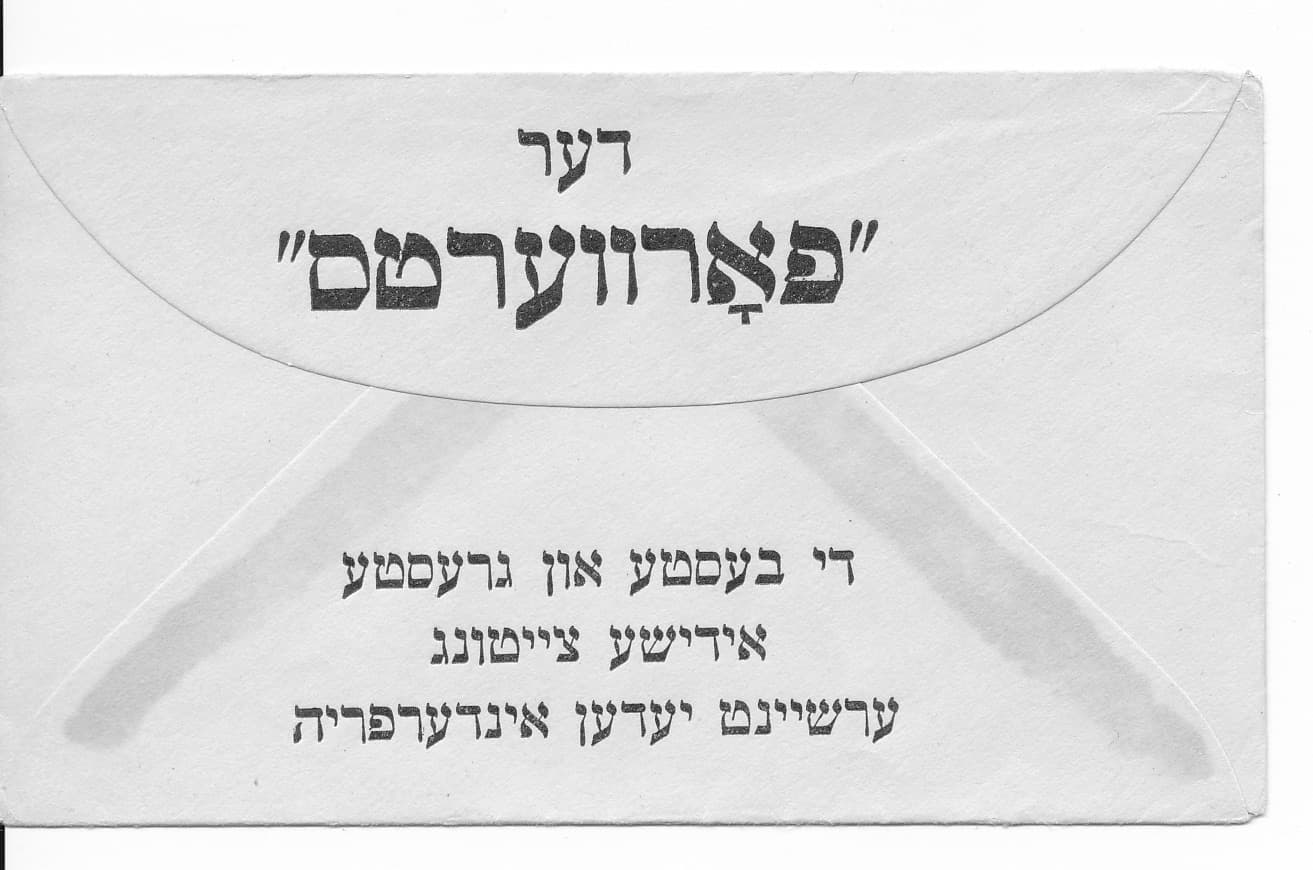
The roots run deep. Yiddish theater in the early 20th century established a comedic tradition centered on wordplay, self-deprecation, and social observation. Immigrant audiences saw themselves reflected on stage, recognized the specificity of their experience, and laughed not just at jokes but at the recognition of shared struggles. That sensibility never left. It became embedded in how Jewish comedians think about humor: as a way to comment on culture, challenge power, and create connection through intelligence rather than cruelty.
Jerry Seinfeld didn't just create a hit TV show. He codified how modern observational comedy works. Seinfeld perfected the craft of finding the absurd in everyday life, a sensibility that has defined Jewish humor for generations. His sitcom "Seinfeld" became a cultural touchstone precisely because it captured the rhythms of how people actually talk and think. He elevated the minutiae of daily life, waiting in lines, dealing with parking, the social anxiety of eating in public, into genuine comic material. This approach comes directly from the Yiddish theater tradition of finding meaning and humor in the mundane struggles of ordinary people.
Sarah Silverman carries forward that tradition of humor that challenges and provokes. Her comedy doesn't punch down. It punches with intelligence and self-awareness. She's built a career on wit that celebrates her identity while refusing to be limited by it. That balance (pride without apology, humor without cruelty) is a hallmark of the best Jewish comedy. Her willingness to discuss her own identity, religion, and the contradictions within both the Jewish community and American culture reflects a comedic tradition that treats nothing as untouchable.
Adam Sandler represents another flavor entirely: comedy rooted in the personal, the nostalgic, and the absurd. His films often blend sentiment with ridiculous humor, and his music videos became an unexpected art form. Sandler's willingness to be goofy, to embrace the childlike joy in performance, has endeared him to generations of audiences. His Jewish identity appears in his work both subtly and explicitly. He's performed comedic songs about Hanukkah that are simultaneously silly and sincere, somehow capturing the exact emotional tenor of Jewish American childhood.
Mel Brooks changed comedy by proving that the funniest stories come from the margins. His films ("Blazing Saddles," "Young Frankenstein," "The Producers") use satire as a weapon against pretense and injustice. Brooks taught filmmakers that you can make people laugh and make them think at the same time. His work is fundamentally Jewish in its approach: interrogating power structures through humor, refusing reverence for authority, and believing that laughter is a form of resistance.
This comedy lineage extends through Billy Crystal, whose warmth and versatility made him a household name, and through contemporary voices like Seth Rogen, whose comedy carries irreverence and emotional truth in equal measure. Rogen's career exemplifies how a Jewish performer can build a major Hollywood presence while being openly Jewish and unapologetic about his cultural identity.
Gene Wilder, another comedy legend, brought a particular kind of vulnerability to his roles. Even in comedic moments, there was an underlying sincerity and humanity. This too reflects a Jewish sensibility: the understanding that the deepest comedy emerges from genuine emotion.
The through-line here is clear: Jewish comedians didn't just make people laugh. They invented new ways to be funny, ways that valued intelligence, self-reflection, and the courage to say the uncomfortable thing. They proved that comedy could be a form of cultural commentary and that laughter could coexist with meaning.
Acting, Dramaturgy, and the Weight of Stories
While comedy became the Jewish calling card, Jewish actors also defined dramatic performance itself.
Natalie Portman represents a particular kind of intensity. Her Oscar-winning performance in "Black Swan" wasn't just skillful acting. It was psychological depth made visible. Portman, who was born in Jerusalem and holds Israeli citizenship, brought that specificity to every role. She doesn't coast. She commits entirely to the inner life of a character. Her willingness to take on psychologically complex roles reflects something important: a refusal to be limited by how others see you, to insist on your own depth and complexity.
Scarlett Johansson, born to a Danish father and Jewish mother, became one of Hollywood's most bankable stars by refusing to be confined to a single type. She moves fluidly between action films, indie dramas, and prestige projects. Her versatility and her willingness to choose challenging, complex roles reflects a commitment to craft over celebrity. She's resisted being typecast as the "beautiful action star," instead pursuing roles that demonstrate range and require genuine acting chops.
Paul Rudd has built an entire career on charm that masks genuine acting ability. He's funny without trying too hard, and he can carry both comedies and dramas. Watch him in "I Love You, Man" or "Ant-Man" and you see an actor who understands that comedy and pathos live in the same emotional space. There's a generosity in his acting, a willingness to let other actors shine while making everything seem effortless.
Sacha Baron Cohen represents a different kind of acting: the actor as provocateur. Through characters like Borat and Ali G, Cohen created a new form of performance art that questions social norms and exposes hypocrisy. His work is uncomfortable by design, but that discomfort is the point. He's constructed an entire career around forcing audiences to confront their own assumptions and the absurdity of social structures. This approach has Jewish roots in the tradition of asking difficult questions and refusing simple answers.
Mayim Bialik bridged the worlds of acting and science, starring in "The Big Bang Theory" while earning a Ph.D. in neuroscience. Her career represents a kind of intellectual honesty, a refusal to choose between being an entertainer and being a serious person. She's embodied the Jewish value of education and intellectual pursuit alongside artistic achievement.
Jewish actors, across these different approaches, seem to share something: a commitment to authenticity. Whether that authenticity comes through dramatic intensity, comedic timing, or intentional provocation, these performers tend to resist easy categorization or shallow entertainment.
Music, Production, and the Business of Culture
Beyond acting and comedy, Jewish musicians and producers have shaped the sound and business of popular music.
Barbra Streisand didn't just have a great voice. She was a perfectionist who understood that entertainment could be art. She controlled her own career in an era when few women did, producing albums, films, and live performances that reflected her vision entirely. Her Jewishness was never hidden. She has been a vocal supporter of Israel and Jewish causes throughout her life. She proved that a Jewish woman could command the highest levels of popular culture without diminishing her identity or her artistic vision.
As entertainment shifted into the modern era, Jewish producers and executives became the architects of hits across genres. In hip-hop, in pop music, in television and film, Jewish production companies and individual producers shaped what millions of people heard and watched. This influence often happens behind the scenes, less visible but no less powerful. Many major talent management firms, production companies, and record labels were founded and built by Jewish entrepreneurs who saw opportunity in entertainment and understood how to build businesses around art and talent.
The point isn't to claim entertainment for Jewish people exclusively (that would be absurd and inaccurate), but to recognize that Jewish artists, comedians, actors, and producers have been disproportionately influential in shaping what entertainment is and what it can do. This influence reflects both historical factors (immigration patterns, community values around education and cultural participation) and something deeper about how Jewish culture approaches storytelling and meaning-making.
From Hidden Pride to Visible Representation
For much of entertainment history, being Jewish was something you downplayed if you wanted to "make it." Many actors changed their names. Few wore their identity openly. They navigated a system that expected assimilation and didn't celebrate difference. The shift (from that era of hiding to the current moment of loud, visible pride) is one of the most significant cultural changes in entertainment.
This shift wasn't accidental. It came from changing attitudes in American culture, from the women's movement and civil rights era onward. It came from Jewish artists who gradually began talking about their identity and refusing to hide it. It came from an understanding that authenticity and specificity in storytelling actually resonate more deeply than generic, assimilated versions of the same stories.
Today's Jewish entertainers don't face the same pressure to assimilate or hide. And that's created a space for more honest, more personal storytelling. Jewish themes, Jewish humor, and Jewish identity appear in mainstream entertainment in ways that would have been unthinkable fifty years ago.
Shows like "Schitt's Creek" (created by Eugene Levy and his son Dan Levy) are explicitly Jewish in their sensibility, even when they're not explicitly about Jewish characters. The humor, the family dynamics, the emotional honesty, all of it bears the fingerprint of a Jewish artistic vision. The show centers on a wealthy family who lose everything and must start over in a small town. It's fundamentally about resilience, adaptation, and finding meaning outside of material success. These are themes that run through Jewish narrative traditions.
This shift matters because representation shapes how people see themselves and their communities. When Jewish kids see Jewish characters on screen who are smart, funny, complex, and unapologetic, it changes something. It says: you belong here. Your stories matter. Your identity is something to wear proudly, not hide.
The Deeper Current: Identity and Entertainment
There's something specific about how Jewish artists approach storytelling. The Jewish tradition emphasizes text, interpretation, and debate. We're taught to argue with stories, to find new meanings in old texts, to ask hard questions. That intellectual approach shows up in the work of Jewish entertainers, a commitment to asking "why?" and to complexity over simplicity.
Jewish comedians ask uncomfortable questions. Jewish actors seek roles with psychological depth. Jewish producers know that the best entertainment makes people think, not just feel good. This doesn't mean all Jewish artists share this sensibility, of course, but the tradition seems to encourage it.
That tradition also includes a strong social conscience. Many Jewish entertainers have used their platform to advocate for justice, civil rights, and community. This isn't coincidental. It reflects values embedded in Jewish ethics and history. The concept of tikkun olam (repairing the world) has become a secular value that appears in how Jewish artists approach their work and their responsibilities.
Pride on Your Sleeve (Literally)
The rise of visible Jewish pride in entertainment mirrors something broader: a cultural moment where people want to wear their heritage proudly, unapologetically. From the impact of October 7th to a new generation that refuses to be quiet about who they are, there's been a real shift in how Jewish identity is expressed in public.
That might mean wearing your heritage on your sleeve, literally on a t-shirt or hoodie that celebrates your culture, your history, and your sense of humor about it all. It means choosing entertainment made by and about Jewish people. It means showing up for Jewish artists and supporting the stories that matter to our community.
The entertainers profiled here (the comedians, the actors, the producers) paved the way. They proved that Jewish stories and Jewish sensibility could reach millions. Now there's space for new voices, new stories, and new ways of being visibly, proudly Jewish in public.
FAQ
Why have Jewish comedians been so influential in entertainment? Jewish comedy tradition traces back through Yiddish theater and vaudeville, emphasizing wordplay, self-deprecation, and social commentary. This foundation created comedians like Mel Brooks and Jerry Seinfeld, who innovated new forms of humor that became central to American comedy itself.
Are all Jewish actors focused on dramatic or "serious" roles? No. Jewish actors work across all genres, from blockbuster action films to indie dramas to pure comedy. What they tend to share is a commitment to choosing substantive roles over shallow ones, though that's true of many performers regardless of background.
How has representation of Jewish identity in entertainment changed? Historically, many Jewish entertainers downplayed or hid their identity to succeed. Today, Jewish artists are more open about their background, and Jewish themes, humor, and perspectives appear more frequently in mainstream entertainment without needing to be hidden.
What makes something "Jewish humor"? Jewish humor often features wordplay, self-aware observation, social commentary, and a willingness to ask uncomfortable questions. It can be dark or light, but it typically values intelligence and doesn't shy away from complexity.
How can I support Jewish artists and entertainment? Seek out entertainment created by Jewish artists, support Jewish creators on social platforms, attend live performances, and choose stories that represent your community authentically. And yes, wearing Jewish pride apparel (whether that's a funny tee or a statement piece) is one way to show your support visibly.


