
How to Observe Shabbat: Traditions, Blessings & Meaning
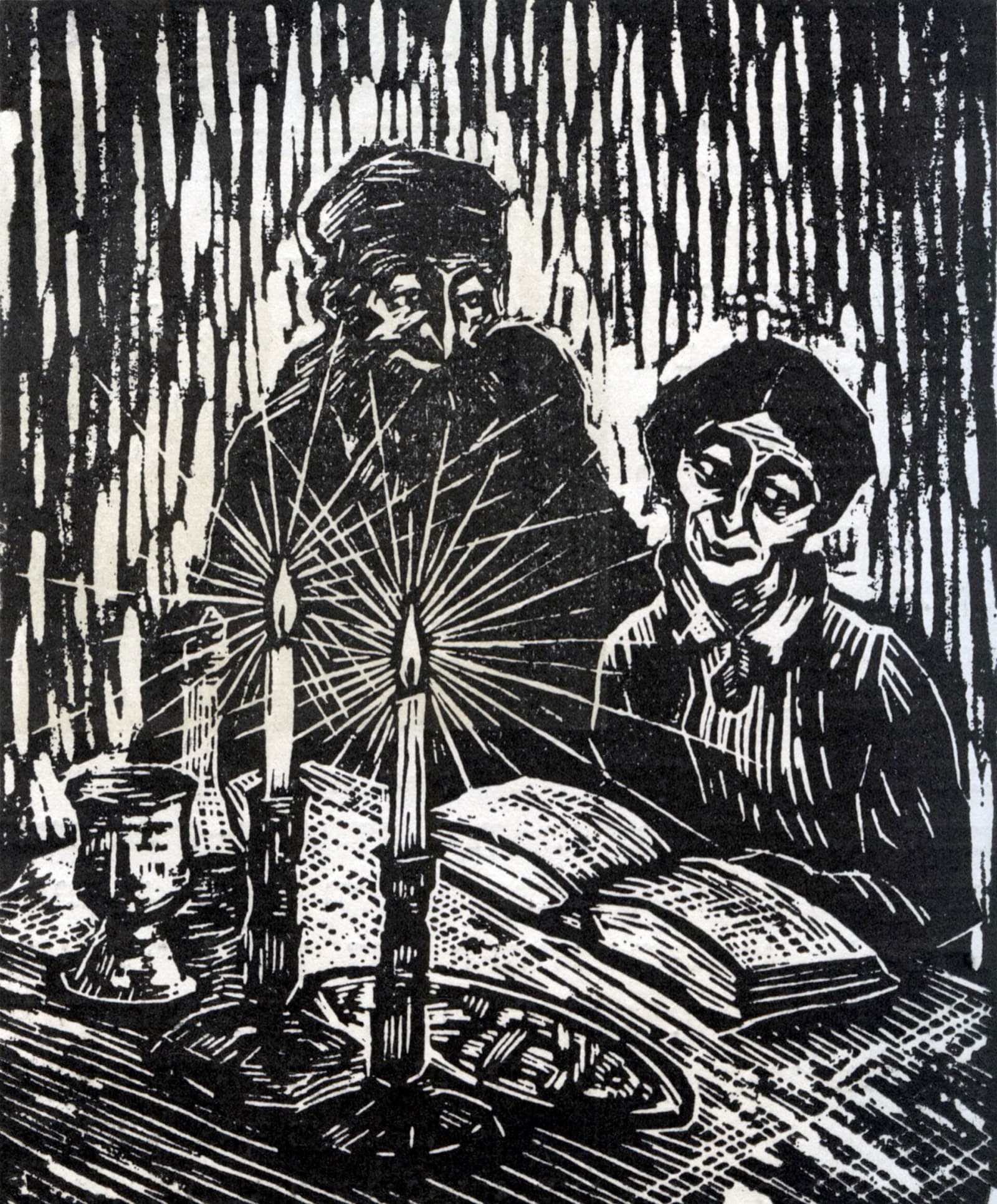
Shabbat is the Jewish day of rest, observed from Friday evening to Saturday nightfall. It commemorates God's rest on the seventh day of creation and serves as a weekly pause from work, technology, and daily tasks. Central to Shabbat are lighting candles, blessing wine and bread, sharing a family meal, prayer, and the Havdalah ceremony at sunset on Saturday. For many Jews, it's the most spiritually meaningful day of the week and the anchor of Jewish identity.
Shabbat means far more than a day off. It's the heart of Jewish life, a rhythm that grounds families and communities in something bigger than productivity or hustle. Whether you're keeping Shabbat fully observant, selectively, or for the first time, this day carries layers of meaning that run deeper than any instruction manual can capture.
What Is Shabbat?
Shabbat, pronounced "shah-BAHT," comes from the Hebrew word "Shabbat" (שבת), which means "to rest." The concept emerges from Genesis: after creating the world in six days, God rested on the seventh day and blessed it as holy. Jewish law interprets this as a model for human life: we work six days and rest one, honoring creation and our own humanity in the rhythm.
The tradition is biblical in origin but took fuller shape during the rabbinic period (roughly 70 CE onward). Over centuries, Jewish communities developed the customs and blessings that make Shabbat the multi-layered experience it is today.
Shabbat runs from Friday evening to Saturday evening, defined by the appearance of three stars in the sky. In modern practice, most Jewish communities begin Shabbat around sundown on Friday (specific times vary by latitude and season) and end it at nightfall on Saturday. This isn't arbitrary: the Hebrew calendar counts days from sundown to sundown, reflecting an ancient cosmology where light emerges from darkness.
Observance ranges widely. Orthodox Jews follow halachah (Jewish law) precisely: no writing, cooking, traveling, electricity use, or 39 categories of creative work. Conservative Jews may observe more selectively. Reform and Reconstructionist Jews often keep Shabbat in ways that feel personally meaningful, lighting candles, avoiding work, sharing a meal, without strict legal observance. Unaffiliated Jews might simply honor the day as a secular day of rest. All of these approaches are authentic.
The Meaning Behind Shabbat
Shabbat serves several interlocking purposes in Jewish life.
Spiritual restoration. Shabbat creates sacred time. In a world of constant demands, it asks: what if you stopped? The rhythm of six days of work plus one of rest resets the nervous system and redirects attention toward family, community, prayer, and self-reflection.
Commemoration. By observing the seventh day, Jews connect directly to the Torah's account of creation. Each Shabbat echoes that primal rest, linking modern Jews to ancient tradition and to each other across centuries.
Justice and equality. The Torah emphasizes that everyone, servants, slaves, animals, even foreigners in the land, rests on Shabbat. This ancient principle contains a radical egalitarian idea: human dignity is not measured by productivity. The wealthy landowner stops work just as the hired laborer does. Everyone deserves rest.
Presence and relationship. With no work, email, or errands, Shabbat time is reserved for people you love. Families gather, guests are welcomed, and conversations deepen. For many, this is the day they actually see their kids' faces.
Friday Night: Welcoming Shabbat
Friday evening is when Shabbat officially begins. The preparation often starts earlier in the day, cleaning, cooking, shopping, but the transition happens when the sun starts to set.
Preparing the Space
Most homes light candles, so the table is typically prepared with candlesticks, a challah (braided bread), and wine or grape juice in a cup (the kiddush cup). Some families also place salt on the table to dip the challah in, symbolizing tears and the value of salt in ancient times. A white tablecloth is common but not required.
The home itself is often cleaned and prepared. This isn't about perfection; it's about intention. A prepared space signals that something special is beginning.
Lighting the Candles
Candle lighting officially begins Shabbat. Traditionally, women light candles, though anyone can and should feel welcome to do so. The blessing said over the candles (in Hebrew, the Brachah) is: "Blessed are You, Eternal God, Sovereign of the universe, who sanctifies us with commandments, commanding us to kindle the Shabbat lights."
The lighting marks a threshold. Once the candles are lit, Shabbat has begun, and work ceases. Many people light two candles (representing the two accounts of creation in Genesis, or the two Hebrew words for "remember" and "guard" in the Shabbat commandment), though some light more.
The warm glow of candles isn't coincidental to Shabbat's meaning. In a world increasingly lit by screens, the soft candlelight creates a different kind of illumination, one that draws people close rather than isolating them in pixels.
Blessing Over Wine
After candles, the kiddush (blessing over wine) is recited, typically by a family member. This blessing thanks God for creating the day and setting it apart as holy. It's a verbal declaration that Shabbat is different from other days.
Blessing Over Bread
Bread (usually the challah, a braided loaf) is blessed next. The blessing thanks God for bringing forth bread from the earth. Challah is braided traditionally, and there are many interpretations of why: some say it represents the two loaves of manna that fell on Friday in the desert, doubling the usual amount so people had food for the Shabbat. Others see the braids as symbolic of unity or the intertwining of different aspects of life.
After the blessing, pieces of bread are torn and shared. The salt on the bread carries additional meaning, covenant, preservation, and the value of even simple things.
The Shabbat Meal
The meal itself is a centerpiece of Shabbat observance. Traditional foods include chicken or fish, vegetables, and dessert. There's no strict menu; the point is that the meal is intentional, prepared, and shared.
Many families have a custom of singing Shabbat songs (zemirot) during the meal. These songs, often in Hebrew and Yiddish, can be uplifting, meditative, or just fun. They fill silence with joy and give the evening a rhythmic quality.
Conversation is part of the meal's spiritual work. Some families ask questions of each other: "What did you notice this week?" or "What are you grateful for?" Others simply talk without agenda, letting conversation wander naturally.
Shabbat Day: Rest and Renewal
Saturday daytime is when Shabbat's rhythm becomes most apparent.
With no work obligations, time opens up. People rest, nap, read, walk, and spend time with family and friends. Some attend synagogue services (the morning service, or Shacharit, is usually longer on Shabbat). Others stay home, pray privately, or do none of the above.
The day has a slower pace. Without rushing to work or checking email, attention naturally turns inward. Many people find Saturday morning is when they finally think clearly, remember what they love, or notice beauty they usually miss.
Afternoon Gathering
A Shabbat lunch often happens on Saturday afternoon, again with family or friends. This meal is smaller than Friday night's but carries the same spirit: intentional, together, no rush.
Some families study Torah or Jewish texts during this time. A Shabbat discussion might focus on the Torah portion (parashah) of the week, or it might be a text study group, or just someone reading aloud while others listen.
Seudah Shelishit
The third meal of Shabbat, seudah shelishit, happens late Saturday afternoon as the day winds down. It's typically lighter than the first two meals, bread, cheese, fruit, or fish, and there's often singing. This meal marks the transition from day to evening, from rest to return.
Havdalah: Closing Shabbat
As the sun sets on Saturday and three stars appear in the sky, Shabbat ends. The Havdalah ceremony marks this transition.
Havdalah (meaning "separation") brings Shabbat to a close through blessings and sensory symbols. The ceremony typically includes:
- A cup of wine, which is blessed and partially drunk.
- Spices, often clove or cinnamon, which are smelled. The blessing thanks God for creating fragrant spices, and the smell is said to revive the soul as it loses Shabbat's extra holiness.
- A braided candle, usually made of multiple wicks, which is lit and blessed. The flame rising represents the return to creative work and fire-use.
- A final blessing, made over the wine, thanking God for distinguishing between sacred and secular, between the holy day and the coming week.
The candle is sometimes blown out in the wine, symbolizing the end and return to the everyday. Havdalah is brief but powerful; it gives people a clear moment to transition from Shabbat's peace back into the week's demands.
Many families say Havdalah together, and it's common to have guests join. The ceremony is intimate and surprisingly moving, even for people who haven't grown up with it.
Bringing Shabbat Into Your Life
If Shabbat sounds beautiful but overwhelming, know that it's not all-or-nothing.
Start small. Light two candles on Friday night and say a blessing. That's Shabbat. Add a meal with no screens. Add a walk. You're already there.
It doesn't have to be perfect. Many Jewish households don't keep all the laws or follow every tradition. The spirit of Shabbat, setting aside one day to rest, connect, and be present, is what matters. Some people keep Shabbat fully observant. Others light candles and skip everything else. Both are valid.
Shabbat is for connection, not performance. If you're cooking all day Friday and exhausted by Friday night, that's not the point. Some people order food or cook Friday morning. Some simplify the meal. The goal is to be present, not to prove something.
Try different traditions. Your Shabbat might look completely different from your neighbor's, and that's fine. Some families invite guests every week. Others keep it intimate. Some sing, some sit in silence. Some go to synagogue, some pray at home, some don't pray formally at all. There's room for all of it.
Wear it proudly. If you love Shabbat, let people know. A tee from our Hebrew Script or Chai Fashion collection can spark a conversation about what Shabbat means to you, or just feel good to wear knowing you're honoring your heritage.
The Gift of Shabbat
What makes Shabbat enduring is that it works. People who observe it, even occasionally, report feeling more grounded, more connected to their families, and more at peace. The rhythm of work-and-rest mirrors something primal in human nature.
Shabbat also holds the Jewish people together. Across centuries and continents, Jews have lit candles on Friday night and blessed wine and bread. It's one of the strongest threads connecting modern Jews to their ancestors and to each other.
Shabbat is a day that asks nothing of you except to show up. Not to perform, not to produce, not to justify your worth. Just to be, to rest, and to remember that the most important things, family, community, presence, don't need to be earned. They're already there, waiting for you on Friday night.
FAQ
What time does Shabbat start? Shabbat begins at sundown on Friday and ends when three stars appear in the sky on Saturday night. Exact times vary by location and season. Many Jewish communities publish Shabbat times, and apps like Shabbos Times will give you the precise moment for your area.
Do I have to be Jewish to celebrate Shabbat? No. Non-Jews are welcome at many Shabbat tables, and some non-Jewish people observe the day in their own way. The spirit of intentional rest is universal, and everyone deserves a Shabbat.
Can I use electricity on Shabbat? This depends on your observance level. Orthodox Jews avoid electricity use and consider it work. Many Conservative and Reform Jews use electricity but may avoid work-related email or screens. The principle is about shifting your consciousness, not following a single rulebook.
Is Shabbat the same every week? The structure is the same, but the experience shifts. Each week has a different Torah portion, and Shabbat in winter feels different from Shabbat in summer. Over time, you find your own rhythm.
What if I can't keep Shabbat fully? Shabbat is not a test you pass or fail. Lighting candles for 10 minutes, sharing a meal with family with your phones away, or simply resting one afternoon is meaningful. Start where you are.


