
Hebrew Baby Names and What They Actually Mean
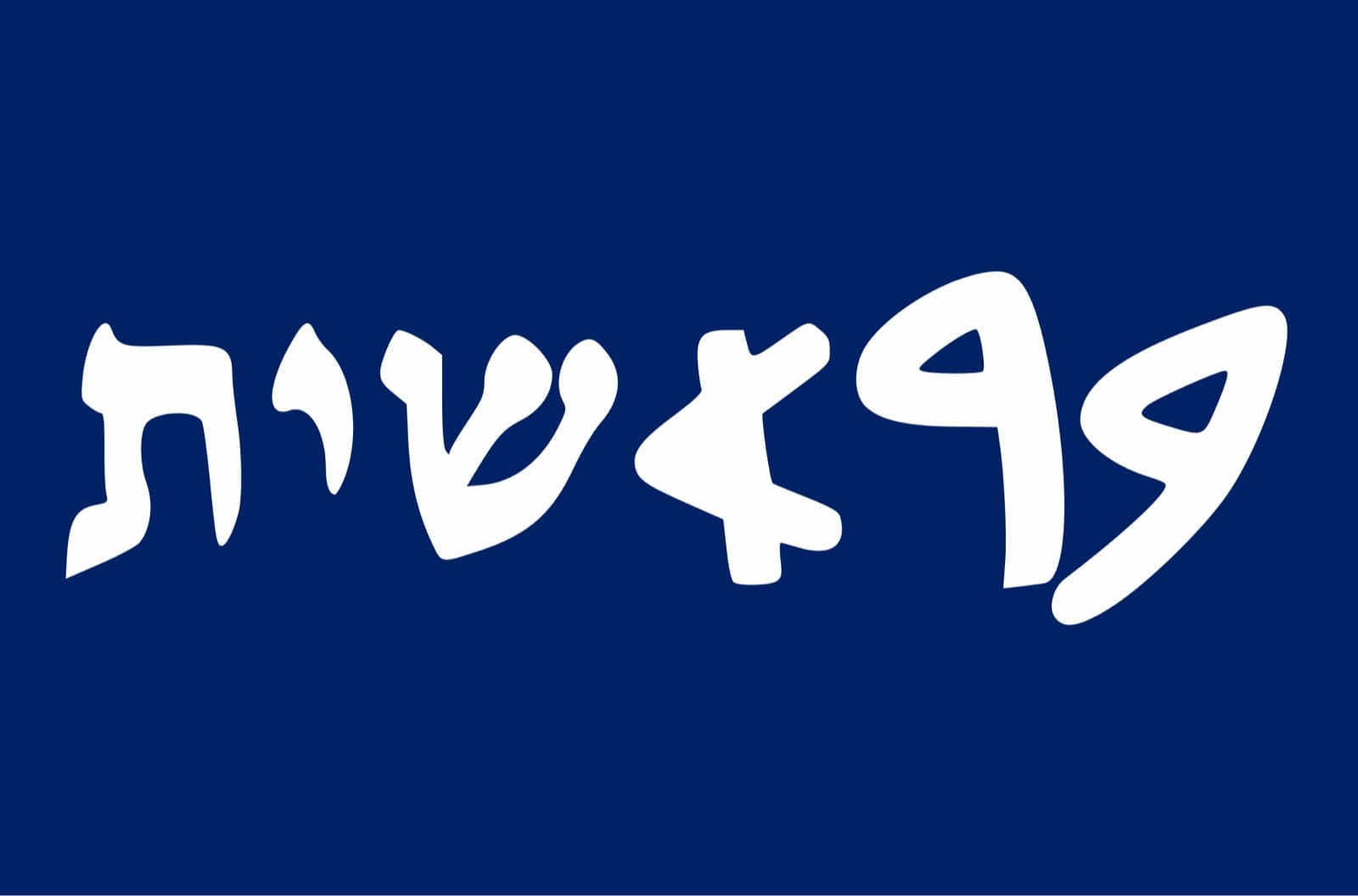
Hebrew baby names carry meaning by design — nearly every one translates to a word or phrase, from Yael ("mountain goat" or "strength") to Ari ("lion") to Eliana ("my God has answered"). A Hebrew name isn't just a label; in Jewish tradition, a name is understood to reflect something about a child's character, hopes, or connection to family, which is why so many Jewish parents treat the choice as seriously as the choice of a middle name or a family heirloom. Here's what to know about the meanings behind popular options, and the customs that shape how Jewish families choose them.
Why Do Hebrew Names Matter So Much in Jewish Tradition?
Names carry real weight throughout the Torah — they're rarely just labels, and characters are frequently renamed at pivotal moments in their story. The clearest example: after Jacob wrestles through the night with a mysterious figure, he's told, "Your name shall no longer be Jacob, but Israel, for you have striven with God and with man, and have prevailed" (Genesis 32:29). The new name isn't decorative — it marks a transformation, and it becomes the name that an entire people and land carry forward to this day.
That pattern — a name as a marker of identity, mission, or hope for the future — shapes how many Jewish families still think about naming a child. A Hebrew name is often chosen specifically because of what it means, not just how it sounds, and it's common for parents to explain that meaning at the naming ceremony itself, effectively announcing an intention or a blessing for the child alongside the name.
What's the Difference Between a Hebrew Name and an English Name?
Many Jewish children today are given two names: a secular, "everyday" name (an English or otherwise non-Hebrew name used on legal documents and in daily life) and a Hebrew name, used specifically in religious contexts — being called to the Torah, on a ketubah (marriage contract), or inscribed on a matzevah (gravestone). The Hebrew name is often structured as "[child's name] ben/bat [father's name]" or, increasingly common today, "ben/bat [father's name] v'[mother's name]" — "son/daughter of" both parents.
Sometimes the two names are the same or closely related (a girl named Maya might also carry Maya as her Hebrew name, since it works in both languages). Other times they're linked by meaning rather than sound — a boy named Leo might carry the Hebrew name Ari, since both mean "lion" in their respective languages, honoring a family name or association without requiring a literal transliteration.
Ashkenazi vs. Sephardic Naming Customs: Living or Deceased?
This is one of the most consequential differences in Jewish naming practice, and it surprises a lot of people who assume "Jewish naming customs" are a single, unified thing.
| Tradition | Custom |
|---|---|
| Ashkenazi (Central and Eastern European heritage) | Names a child after a deceased relative, as a way of honoring their memory and keeping their name alive in the family |
| Sephardic and Mizrahi (Spanish, Middle Eastern, and North African heritage) | Frequently names a child after a living relative, especially grandparents, as a living honor and a sign of continuity |
Ashkenazi families generally avoid naming a baby directly after a living relative, based on a folk superstition that doing so could somehow "compete" with or shorten the life of the living namesake — a belief with no clear source in Jewish law, but one that's proven remarkably durable across generations of Ashkenazi families regardless. Sephardic families face no such hesitation, and it's common in Sephardic and Mizrahi communities for a firstborn son to be named directly after a living grandfather.
Neither approach is "more correct" — they're simply two different, well-established traditions that developed in different parts of the Jewish diaspora, and it's worth asking any Jewish family you're close to which one their own naming choices followed.
Popular Hebrew Names for Girls and What They Mean
| Name | Meaning |
|---|---|
| Maya | Water; also a short form of Ma'ayan ("spring" or "fountain") |
| Tamar | Date palm |
| Yael | Mountain goat; associated with strength |
| Shira | Song |
| Miriam | Uncertain ancient origin, traditionally linked to "bitterness" or "beloved"; the name of Moses's sister |
| Avigail (Abigail) | "My father's joy" |
| Eliana | "My God has answered" |
| Talia | "Dew from God" |
| Noa | Movement; also the name of one of the daughters of Zelophehad in the Torah |
| Liora | "My light" |
Popular Hebrew Names for Boys and What They Mean
| Name | Meaning |
|---|---|
| David | Beloved |
| Ari | Lion |
| Noam | Pleasantness |
| Eitan (Ethan) | Strong, enduring, steadfast |
| Ilan | Tree |
| Lavi | Lion (a more poetic biblical variant) |
| Zeev | Wolf |
| Shai | Gift |
| Asher | Happy, blessed |
| Yonatan (Jonathan) | "God has given" |
Across both lists, a pattern shows up quickly: Hebrew names lean heavily on nature (Tamar, Ilan, Zeev, Lavi), on qualities the parents hope the child will carry (Eitan, Noam, Asher), or on statements of gratitude and faith (Eliana, Yonatan, Avigail). Very few Hebrew names are simply decorative sounds with no underlying meaning — which is part of why looking up "what does my name mean" tends to be such a satisfying rabbit hole for people with Hebrew names.
Are There Gender-Neutral Hebrew Names?
Yes, and this category has grown noticeably in recent years as more families look for names that work regardless of gender. A few that show up frequently:
- Noa — used for both boys and girls, tied to the biblical Noa (one of the daughters of Zelophehad) as well as broader modern Israeli use
- Ariel — "lion of God," historically more common for boys but increasingly used for girls as well
- Yoni — a nickname shared across a few different full names, used for any gender
- Shai — "gift," short and simple enough to work universally
- Rio or Sky-adjacent Hebrew-inspired names — less traditional, but increasingly chosen by parents wanting something modern with Hebrew roots
Modern Israeli naming culture, generally more relaxed about gendered naming conventions than older diaspora traditions, has been a major source of these options — a reminder that "Hebrew names" isn't a closed, ancient category, but a living one that Israeli parents (Jewish and otherwise) continue adding to every year.
What About Yiddish Names?
It's worth distinguishing Hebrew names from Yiddish names, since Ashkenazi Jewish naming history actually involves both. For centuries, many Ashkenazi Jews carried two parallel names: a Hebrew name used for religious purposes (being called to the Torah, appearing on a ketubah) and a separate, everyday Yiddish name used in daily life among family and neighbors — names like Feygl ("bird"), Zisl ("sweet one"), or Velvel (a Yiddish form connected to "wolf," paralleling the Hebrew Zeev).
That dual-name system is actually the direct ancestor of today's common pattern of a Hebrew name plus a secular English name — it's simply that the "everyday" half of the pair has shifted from Yiddish to English for most American and other English-speaking Jewish families over the past century. Some families still consciously preserve a Yiddish name somewhere in the mix, especially as a middle name honoring a specific ancestor by their most familiar, most spoken name rather than the more formal Hebrew version.
What Is a Baby Naming Ceremony?
The specific ceremony where a Hebrew name is formally given depends on the baby's gender and family tradition:
- Brit milah ("covenant of circumcision"), held on the eighth day of a baby boy's life, is the traditional setting where a boy receives his Hebrew name, announced aloud during the ceremony.
- Simchat bat or brit bat ("covenant of a daughter"), a naming ceremony for girls, is a considerably newer tradition — without a single fixed ritual form the way brit milah has — that has grown enormously in popularity over the past several decades as families sought an equivalent, joyful, formal way to welcome and name a daughter. Timing varies by family and community, sometimes held on the eighth day to mirror a brit milah, sometimes at a different point entirely, often incorporating a baby-naming blessing recited during a Torah service.
At both ceremonies, it's traditional for the child's full Hebrew name to be announced publicly for essentially the first time, along with an explanation of who or what it honors — a grandparent's memory, a hoped-for quality, a meaningful word. It's frequently the emotional high point of the ceremony, especially when a name is chosen specifically to honor someone the family lost.
How Do You Choose a Hebrew Name?
For families weighing options, a few approaches show up again and again:
- Honor a relative, following whichever naming custom (Ashkenazi or Sephardic) fits the family's heritage.
- Choose a name for its meaning, selecting a Hebrew word that expresses a hope for the child — strength, light, peace, gratitude.
- Match sound or first letter to an English name, especially common among families balancing a Hebrew name with a legal, everyday name.
- Draw from that week's Torah portion, choosing a name connected to whichever parasha falls around the baby's birth or naming ceremony — a small, personal link between the child and the Jewish calendar itself.
Whichever route a family takes, it's worth remembering that a Hebrew name isn't required to be obscure or ancient to carry weight — plenty of contemporary Israeli names (Romi, Noa, Itai) carry just as much resonance as biblical ones, simply by virtue of being spoken, sung, and lived in by a very old language that's still very much alive.
Frequently Asked Questions
Do you need a Hebrew name to be considered Jewish? No. A Hebrew name is a meaningful, widely observed custom, not a requirement of Jewish identity. Plenty of Jewish people go by their secular name in every context and are no less Jewish for it.
Can a Hebrew name be given later in life? Yes. Adults who weren't given a Hebrew name at birth, including converts to Judaism, commonly choose or receive one, often as part of a bar or bat mitzvah, conversion ceremony, or another meaningful milestone.
What does "bat" and "ben" mean in a Hebrew name? "Ben" means "son of" and "bat" means "daughter of," used to link a Hebrew name to one or both parents' names — as in "Noa bat Avraham v'Sarah," or "Noa, daughter of Avraham and Sarah."
Is it disrespectful for a non-Jewish person to use a Hebrew name for a baby? Generally, no — many Hebrew names (David, Sarah, Daniel, Rachel) have been in wide, unremarkable use across many cultures and religions for centuries. It's simply worth knowing the meaning and origin behind whichever name you choose, which is true of naming a child in any language.
Why do some Hebrew names have such different English spellings? Hebrew uses a different alphabet entirely, so any Hebrew name has to be transliterated into English phonetically, and there's rarely one single "correct" spelling — which is why you'll see both "Chaim" and "Haim," or "Tehila" and "Techila," used interchangeably by different families.
Do Hebrew names change meaning if you translate them literally? Not exactly — the meaning stays fixed to the Hebrew root regardless of how it's spelled or pronounced in English. "Yael" means "mountain goat" whether it's written Yael, Ya'el, or Jael, since the meaning lives in the original Hebrew letters, not the transliteration.
Do Hebrew names ever come from Aramaic or other Jewish languages instead? Occasionally, yes. A handful of familiar Jewish names have Aramaic roots rather than pure Hebrew ones, a reminder that "Jewish naming tradition" draws on the full, layered history of Jewish languages — Hebrew, Aramaic, Yiddish, Ladino — rather than one single linguistic source.
A name is one of the very first ways Jewish heritage gets handed to the next generation — and it tends to stick around for the whole ride. If you're shopping for the family celebrating a new arrival, take a look at Kosher Couture for gifts that carry the same spirit, or check out our guide to bar and bat mitzvah gifts for when that same baby's next big Jewish milestone rolls around.


