
Famous Jewish Athletes Who Changed Sports History
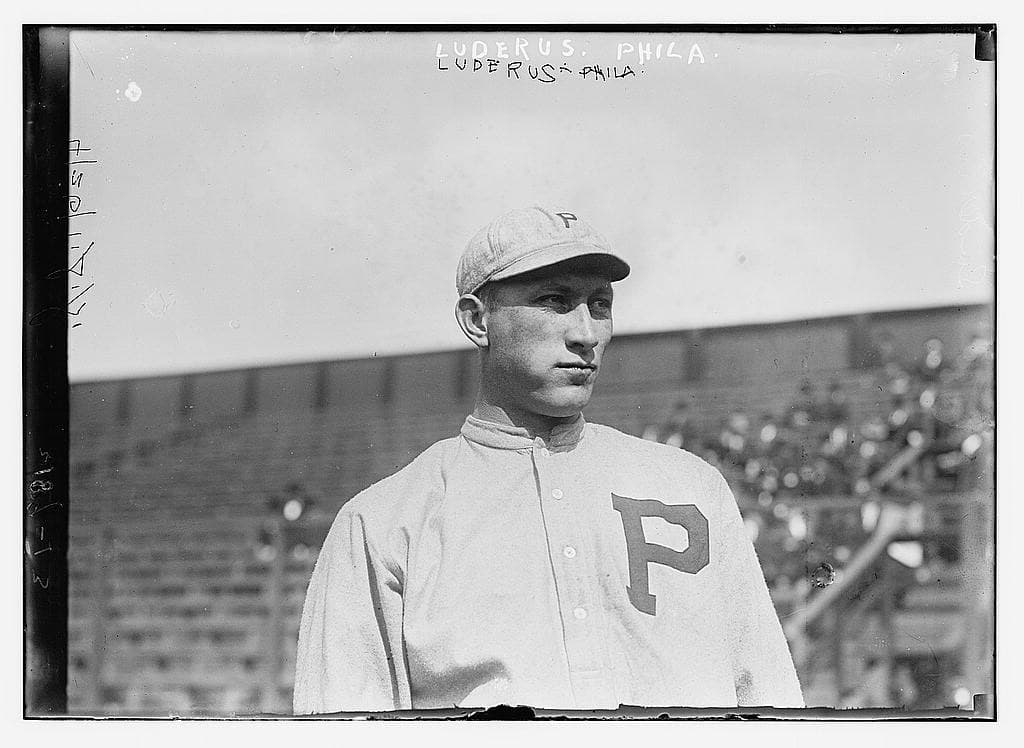
Jewish athletes have been breaking records, shattering stereotypes, and claiming victory on the world's biggest sports stages for over a century. Their stories matter not just for the medals and hall of fame plaques, but because each one represents someone who refused to be sidelined by discrimination, who showed up proudly in their full identity, and who opened doors for generations to come.
The Pioneers Who Refused to Be Benched
Sports has always been about more than just winning games. For Jewish athletes, stepping onto the field meant navigating a landscape where their identity wasn't always welcomed. Yet the greatest among them didn't hide who they were. They played anyway, and they played brilliantly.
Hank Greenberg arrived in Major League Baseball during the 1930s, when anti-Semitism was openly expressed from opposing benches and bleachers alike. Playing for the Detroit Tigers, Greenberg became the first Jewish superstar in baseball, winning two American League MVP awards (1935 and 1940). In 1954, he became the first Jewish player elected to baseball's Hall of Fame. But what made Greenberg truly remarkable wasn't just his statistics. It was the day in 1934 when he refused to play on Yom Kippur despite the Tigers being in a tight pennant race. That choice was a statement: his identity mattered more than any single game, and he wouldn't pretend otherwise. Greenberg's refusal changed the conversation in sports, signaling that Jewish athletes would be whole versions of themselves on the field.
The next generation built on this foundation. Sandy Koufax, a Los Angeles Dodgers pitcher, became one of baseball's greatest pitchers during the 1960s. On September 9, 1965, Koufax delivered what many consider the most perfect moment in baseball history: a perfect game against the Chicago Cubs. He retired all 27 batters faced, striking out 14 of them (including the final six in a row), completing the game in just 1 hour and 43 minutes. That 1965 season was extraordinary: Koufax compiled a 26-8 record with a 2.04 earned run average and 382 strikeouts, winning the National League pitching Triple Crown and the Cy Young Award. Like Greenberg before him, Koufax's excellence spoke louder than any prejudice. He was simply the best pitcher in baseball during his era.
The Olympic Moment: Mark Spitz and 1972
If any single moment crystallized the power of Jewish athletes on the world stage, it came at the Munich Olympics in 1972. Mark Spitz, a 22-year-old American swimmer, walked into history.
Spitz had been here before. At the 1968 Mexico City Olympics, he'd predicted he might win six gold medals. Instead, he came home with two relay golds, a silver, and a bronze. Disappointed but determined, he came back four years later in Munich with something to prove.
What happened over eight days in September 1972 defied belief. Spitz won seven gold medals and set a world record in each race. The 100m and 200m freestyle. The 100m and 200m butterfly. Three relay races. Seven golds in eight days. He became the first athlete in Olympic history to accomplish such a feat. When Michael Phelps eventually broke the record in 2008 with eight gold medals, Spitz's achievement remained remarkable: it still stands as one of the greatest performances in sports history.
The significance for Jewish identity can't be understated. This was 1972. The same Munich Olympics where, days after Spitz's triumphs, Palestinian terrorists would take Israeli athletes hostage in what became one of the darkest moments in Olympic history. Spitz's seven golds came in an environment already tinged with the weight of that tragedy. Yet his achievement stood: undeniable, brilliant, Jewish.
Modern Champions Carrying the Torch
The tradition didn't end with the legends. Contemporary Jewish athletes continue to compete at the highest levels, proving that Jewish pride and athletic excellence aren't contradictions.
Aly Raisman redefined what an American gymnast could be. Over her career, she captured multiple Olympic gold medals and earned a place among the most decorated female gymnasts in U.S. history. Raisman never hid her Jewish identity; she wore it proudly while competing at the highest level of her sport.
In basketball, Tal Brody became the first Israeli player drafted into the NBA, opening the door for Israeli athletes to compete in one of the world's premier professional leagues. His journey from Tel Aviv to the NBA wasn't just about individual achievement; it signaled to young Israeli athletes that the world's biggest professional stages were within reach.
The water has always been kind to Jewish athletes. Gal Fridman, an Israeli sailor, became the first Israeli to win an Olympic gold medal (2004), while Lenny Krayzelburg dominated in swimming, becoming one of the most successful Jewish swimmers in Olympic history. These athletes didn't make headlines just for being the best in their sports; they made headlines for changing what Olympic representation looks like.
Why These Stories Matter: Heritage and Identity
Wearing your heritage proudly isn't a radical act. Yet for generations of Jewish athletes, claiming both identity and excellence simultaneously was exactly that.
These stories resonate because they answer a question many Jewish kids ask themselves: can I be all of who I am and still belong at the highest levels? The answer from Greenberg, Koufax, Spitz, and the athletes who followed is an unequivocal yes. You don't have to hide any part of yourself to achieve greatness. You don't have to tone down your heritage to be taken seriously. You show up as a whole person, work harder than everyone else, and let your excellence speak.
That's the real legacy here. It's not just about records and medals. It's about visibility. It's about young Jewish athletes watching someone who looks like them, who prays like them, who celebrates Passover and lights Hanukkah candles and wears their identity openly, and knowing that there's a place for them on the field, on the mat, in the pool, on the court.
The Community Aspect: Sports, Pride, and Connection
Jewish athletes have always been more than individual competitors. They've been representatives, whether they asked for that responsibility or not. Each time a Jewish athlete succeeded at the highest level, it sent a message to the Jewish community: we belong here. We belong everywhere.
This is part of why Jewish sports pride matters in the broader context of heritage and identity. When a young Jewish athlete wears a shirt celebrating Jewish athletic achievement at the Olympics or the World Series, or at their own local tournament, it's not just a fashion statement. It's a declaration that Jewish identity and athletic excellence are intertwined, that pride in heritage and pursuit of excellence aren't competing values but complementary ones.
It's why collections like our Chai Fashion and Hebrew Script lines resonate with people who want to celebrate not just what they believe, but who they are. Whether it's a Hanukkah gift for someone preparing for their first big athletic competition, or a shirt worn to support a Jewish athlete at a local event, apparel becomes a way to say: this matters. You matter. Your heritage matters.
Breaking Down What These Athletes Teach Us
The through-line of these stories reveals what makes them powerful:
Resilience without compromise. Greenberg faced overt anti-Semitism but never hid his Jewish identity. Koufax performed at the highest level without needing to disappear into anonymity. Spitz shattered records while being visibly Jewish at a pivotal historical moment.
Excellence as response. The best answer to prejudice isn't words. It's showing up, working harder, and performing at a level that can't be ignored or diminished.
Doors opened for doors to come. When Hank Greenberg succeeded, he made it possible for Sandy Koufax to follow. When Koufax played, he set a precedent that allowed Aly Raisman to compete as her full self. Each generation of Jewish athletes benefited from the preceding generation's refusal to compromise.
Visibility changes everything. Kids who saw Mark Spitz's seven gold medals saw something that had seemed impossible become real. Kids who see Israeli athletes competing at the Olympics understand that their country belongs on the world stage.
The Ongoing Legacy in Modern Sports
Today's Jewish athletes continue this tradition in every major sport. From baseball to gymnastics, from basketball to swimming, from sailing to soccer, Jewish athletes are competing at elite levels worldwide. Some are household names in their countries; others are rising stars. What unites them is a willingness to be visible, to be proud, and to pursue excellence with full integrity.
The conversations have shifted too. Whereas earlier generations of Jewish athletes sometimes faced pressure to downplay their identity, today's athletes often make strategic choices to highlight it. Social media allows them to connect directly with younger Jewish fans. Youth organizations celebrate Jewish athletic achievement. The conversation has moved from "can I compete while being Jewish?" to "how can I inspire others through both?"
Why Sports Matter for Cultural Pride
Sports occupies a unique space in culture. It's one of the few arenas where achievement is objective, measurable, and undeniable. You can argue about art, about politics, about values. But you can't argue with seven Olympic gold medals. You can't diminish a perfect game. You can't contest a Hall of Fame induction.
This is why Jewish athletes' achievements in sports matter so much for Jewish cultural pride. They're not just individual accomplishments. They're proof. They're visible, celebrated, and internationally recognized achievements by people who are proudly, unapologetically Jewish.
The Takeaway: Pride Looks Like This
When you look at the arc of famous Jewish athletes from Hank Greenberg to today's competitors, you see a community that refused to be sidelined, that showed up as their whole selves, and that earned their place not despite their identity but with it fully intact.
Their achievement isn't about Jews being good at sports. It's about people being exceptional at what they do and insisting on being seen, celebrated, and remembered with their full identity included. That's the real victory. That's the legacy that keeps expanding with each new generation of Jewish athletes who walk onto the field, knowing they belong.
It's the same principle that drives Kosher Couture. Your heritage isn't something you leave at home. It's something you wear proudly, daily, in whatever context makes sense for your life. Whether that's supporting an athlete at a tournament, celebrating a friend's big game, or simply existing in the world as a proud Jewish person, heritage and everyday pride go together.
FAQ
Who was the first Jewish athlete inducted into the Baseball Hall of Fame? Hank Greenberg was the first Jewish player elected to baseball's Hall of Fame in 1954. He won two MVP awards and led the Detroit Tigers to two World Series championships, breaking barriers as baseball's first Jewish superstar while facing open anti-Semitism.
How many gold medals did Mark Spitz win at the 1972 Olympics? Mark Spitz won seven gold medals at the Munich 1972 Olympics in swimming, setting a world record in each event. He competed in the 100m and 200m freestyle, 100m and 200m butterfly, and three relay races over eight days.
Did Sandy Koufax throw a perfect game? Yes, Sandy Koufax pitched a perfect game on September 9, 1965, against the Chicago Cubs while playing for the Los Angeles Dodgers. He retired all 27 batters, struck out 14 (including the final six in a row), and completed the game in 1 hour and 43 minutes. It remains one of baseball's greatest single performances.
What was Tal Brody's significance for Israeli athletes? Tal Brody was the first Israeli player drafted into the NBA, opening doors for Israeli athletes to compete at the highest levels of professional sports and signaling that Israeli athletes belonged on the world's biggest stages.
Are there prominent Jewish athletes competing today? Yes, Jewish athletes continue to compete at elite levels across all major sports worldwide, from gymnastics and swimming to basketball, soccer, and Olympic sports. While some are international stars, many are rising competitors and local/national champions proud to represent their heritage.


